Coastal Livelihoods in Constant Tension
Notes from the field on how coastal communities in Campeche, Mexico navigate livelihoods from ocean resources under pressure — a tension shared by many ocean-dependant communities worldwide.
Climate adaptations are necessary to safeguard the food security, livelihoods, and cultural heritage of artisanal fishers — but policymakers often lack a clear understanding of fishers' own adaptation priorities, and what support they'd actually need to act on them.
To close that gap, we designed the research project “Listening to fishing communities on climate adaptation in the tropics” led by Dr. Bossier at Simon Fraser University. We interviewed artisanal fishers in coastal Mexico to listen to their perspectives and livelihood challenges.
Like many coastal towns in Latin America, livelihoods in Yucatán and Campeche, Mexico are closely tied to the ocean. Here, local artisanal fishers depend on seasonal species like the Mayan octopus, along with year-round catches of fish and crab, to make a living. However, as climate change intensifies, its impacts are pushing fishers to either seek alternative incomes elsewhere, or adapt to limited local opportunities.
In remote towns like Isla Arena, Campeche, ecotourism has emerged as an alternative livelihood. Former fishers sharing their knowledge of local wildlife and their connection to place is what defines their eco-tours.
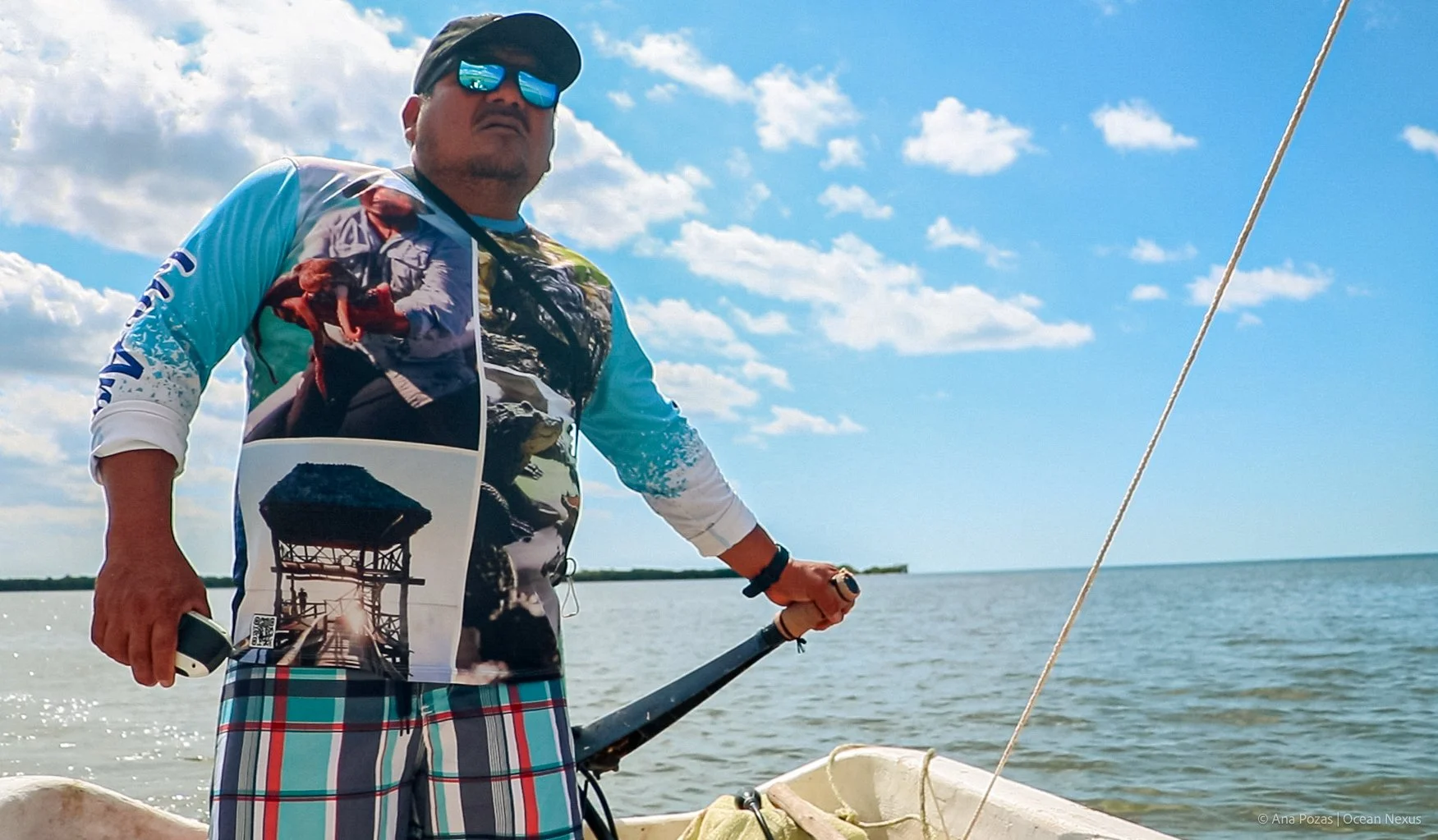
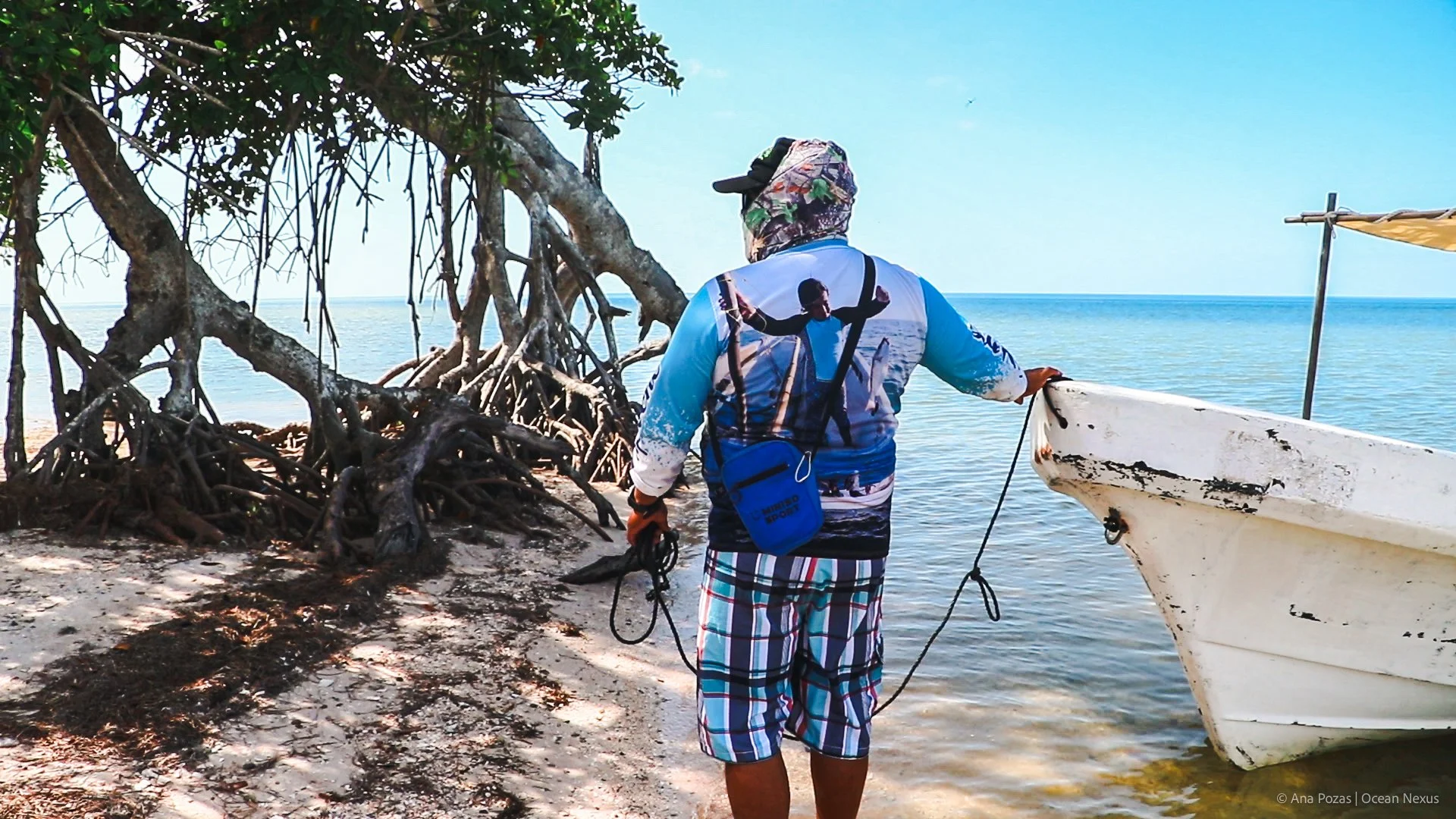
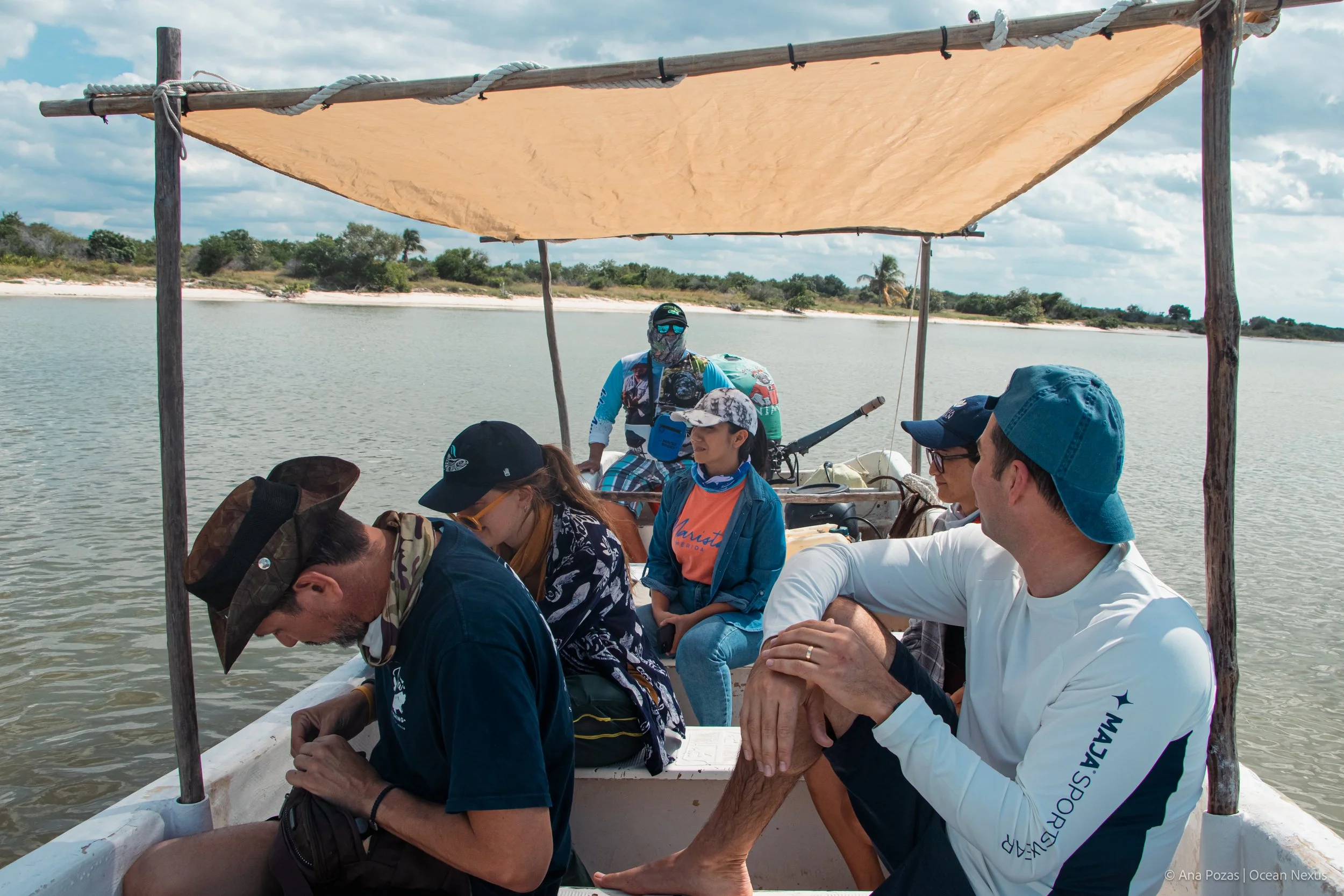
On a boat ride to the mangroves, our guide—a local, wore a rash guard printed with photos of him and his family fishing. He wore this unofficial uniform proudly, visually representing his identity. Eager to share his knowledge of Isla Arena and the fishing dynamics with us researchers, he paused to speak to a few fishers in the area.
A couple was fishing for crab in the shallows, working hours in the midday sun, while other fishers dove to the sandy bottom using a surface-supplied air hose—an illegal fishing technique that lets them stay underwater to catch whatever species they find, often at a high safety risk. Local fishers gladly chatted to him sharing updates about their recent catches.
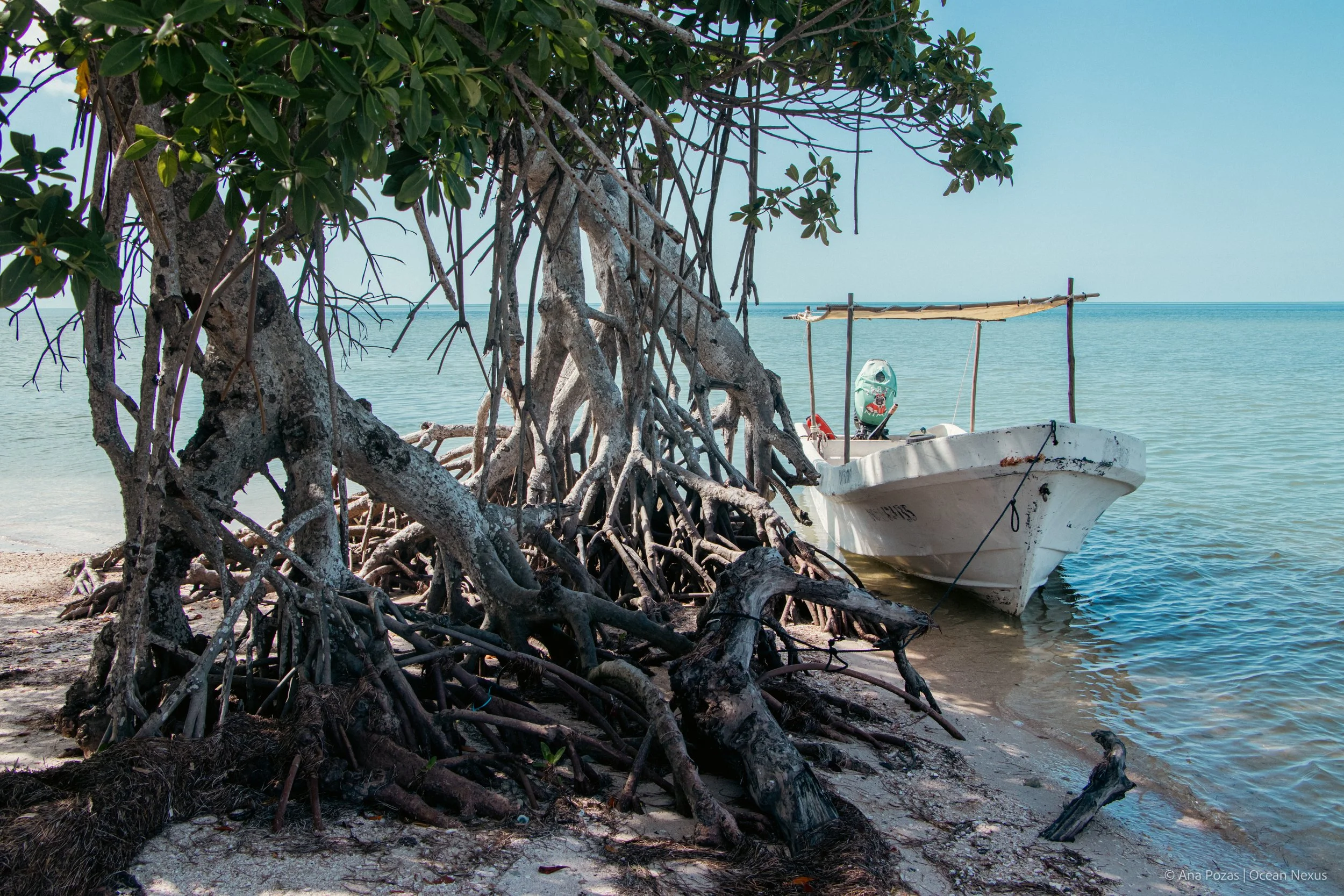
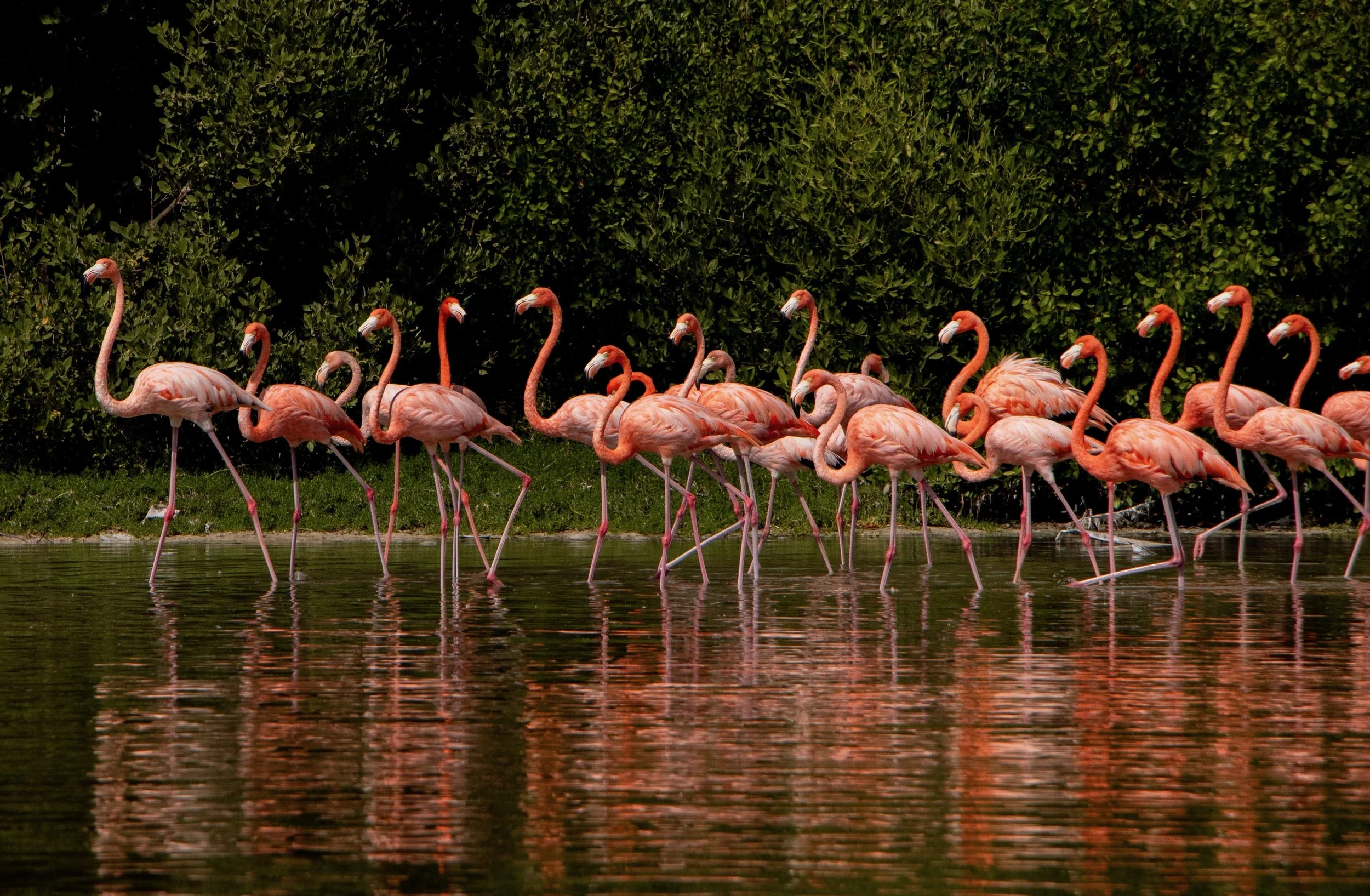
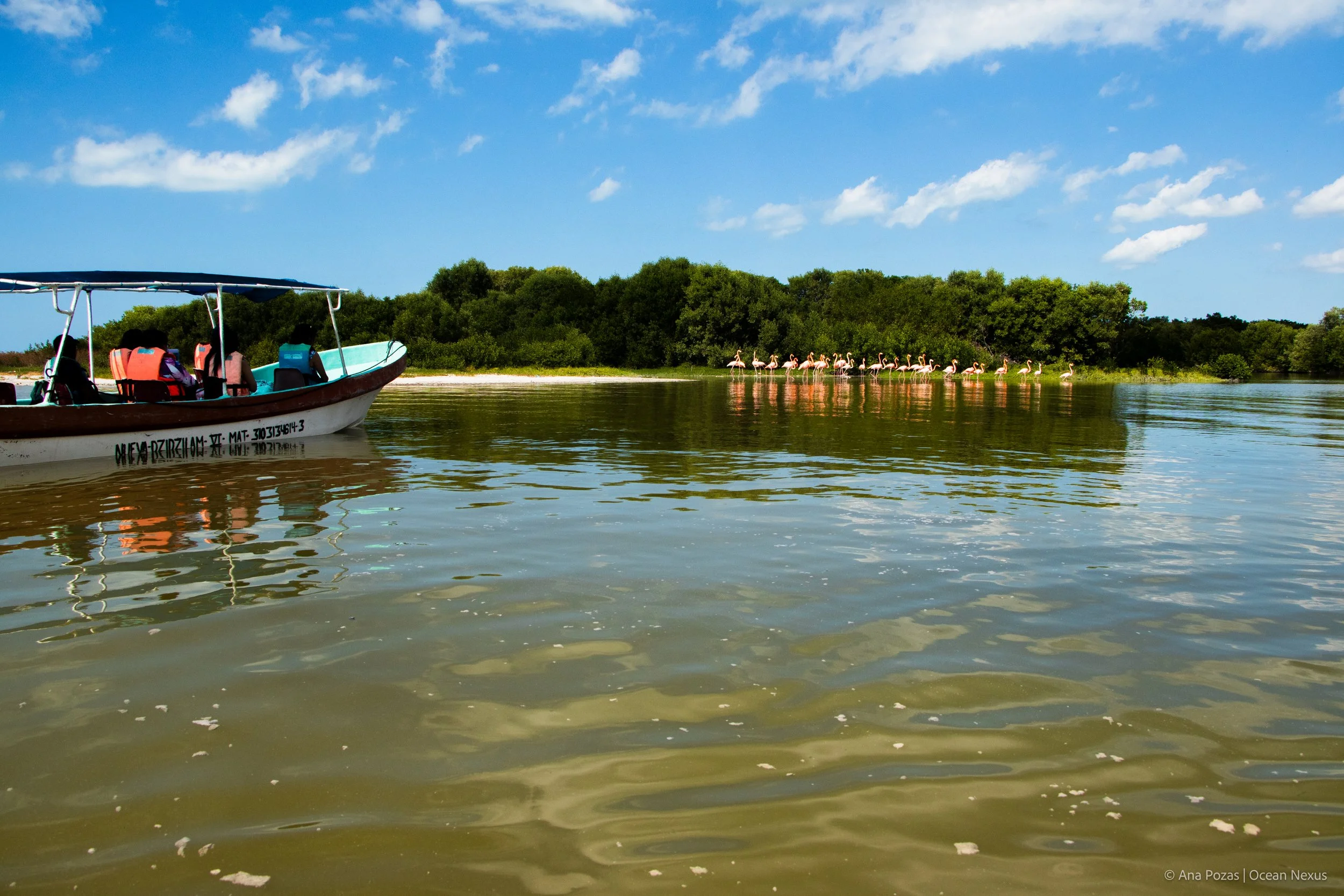
He then led us past flocks of flamingos feeding in the shallow marshes before heading to a wooden platform among the mangroves. In some areas, underwater freshwater holes from cenotes caused mesmerizing swirls on the ocean water surface. This was the typical ecotour offered to visitors, centered around ecological knowledge about flamingos, mangroves, and the local environment.
However, aware of our background as fisheries researchers, the tour guide resumed our main quest, which was speaking to local fishers in the area…
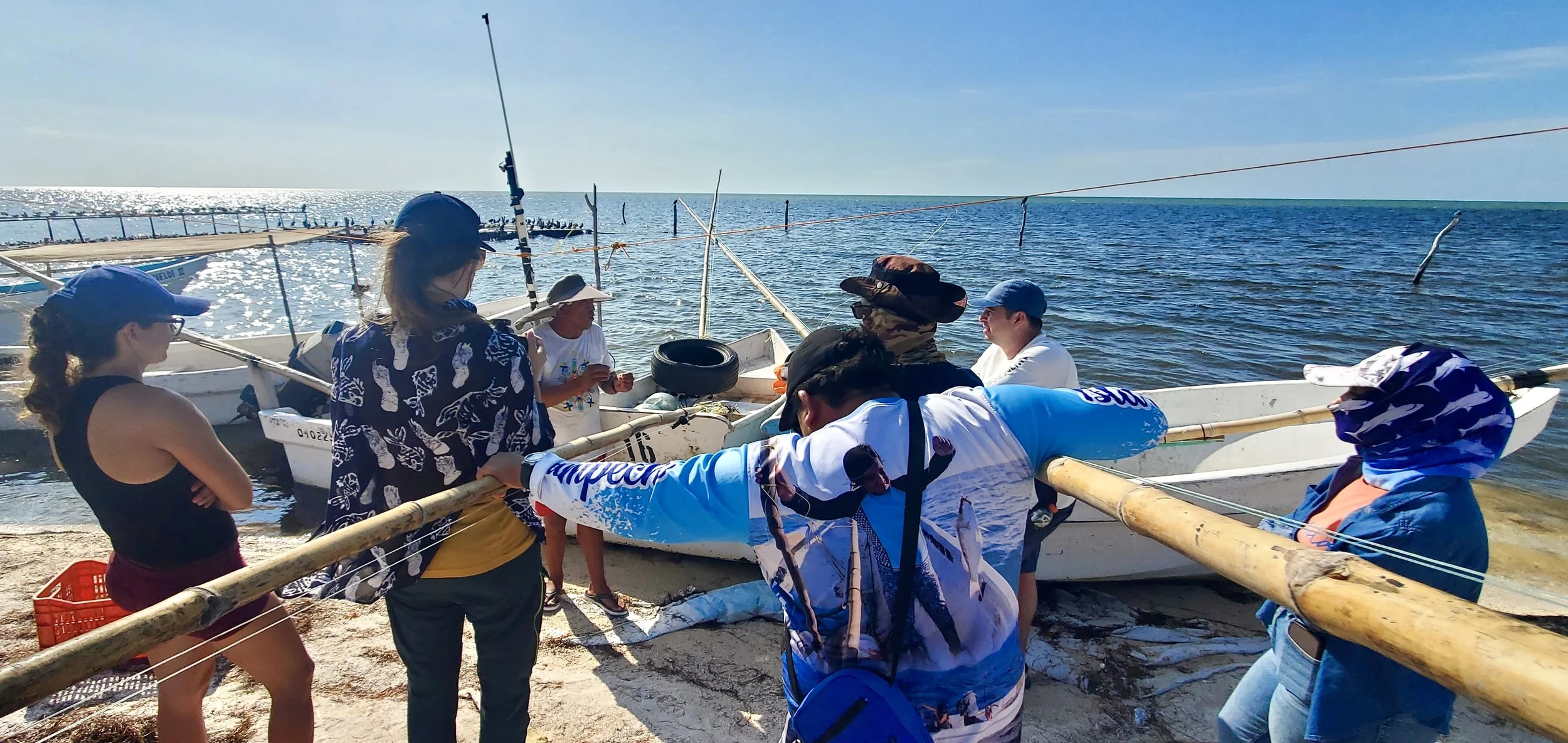
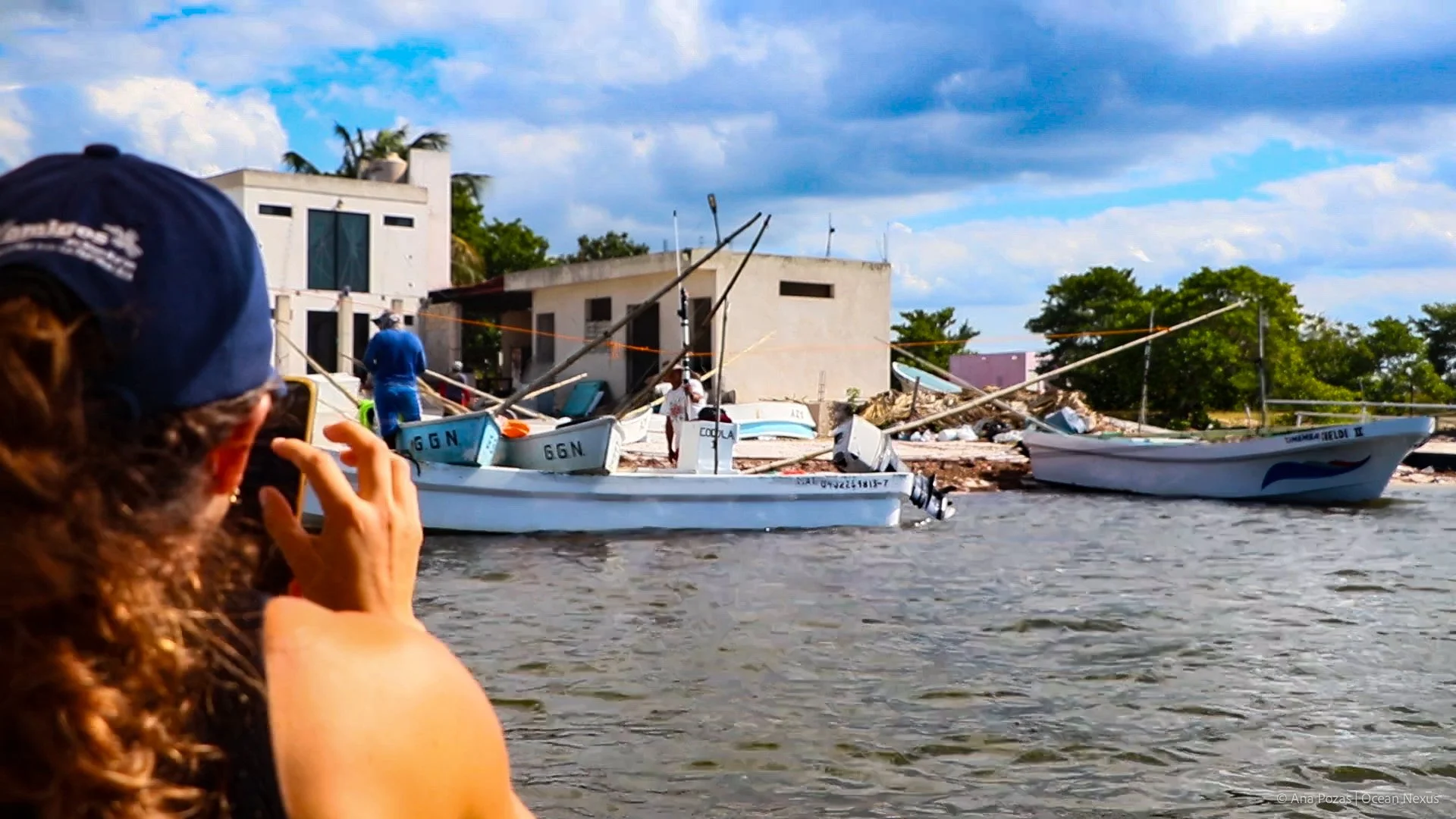
At a nearby dock, we spent nearly an hour with a middle-aged fisher who spoke candidly about the pressures of fishing: declining catches, regulatory restrictions, and the frustration towards the government programs that were supposed to financially assist fishers. His words emulated the tension of relying on the ocean while having little control over access, regulations, or the options available to sustain a living.
A challenge shared by many ocean-dependants worldwide, and the premise of our research paper:“How much time and who will do it? Organizing the toolbox of climate adaptations for small-scale fisheries”
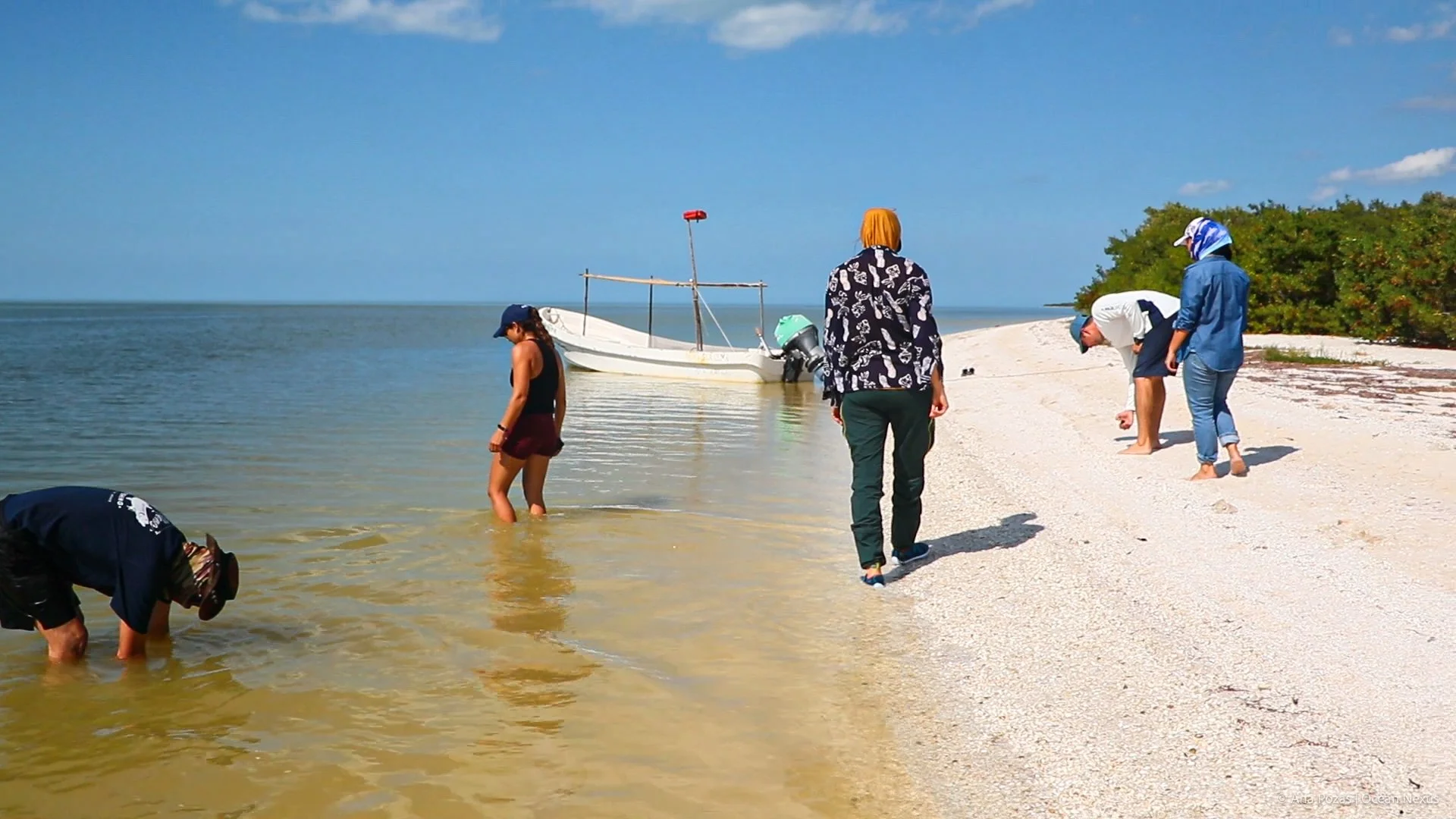
To conclude this unique tour, our guide took us to a small, remote beach where fragments of Mayan pottery wash ashore.
I picked up a piece that still had design lines. He noted that finds like this are extremely unique.
A truly special place, accessible only by boat, visited by only a few…
Upon reflection, I noticed another interesting tension: locals must navigate the pressures of capitalism and survive by relying on extracting from a natural environment already under pressure, while living among “secret” historical treasures of incomparable intrinsic value.
A reality that invites deeper reflection: how do we move forward on ocean conservation in ways that center environmental justice, and honor local communities' identity, connection, and sovereignty over their own waters?
Words and photos by Ana Lucía Pozas.