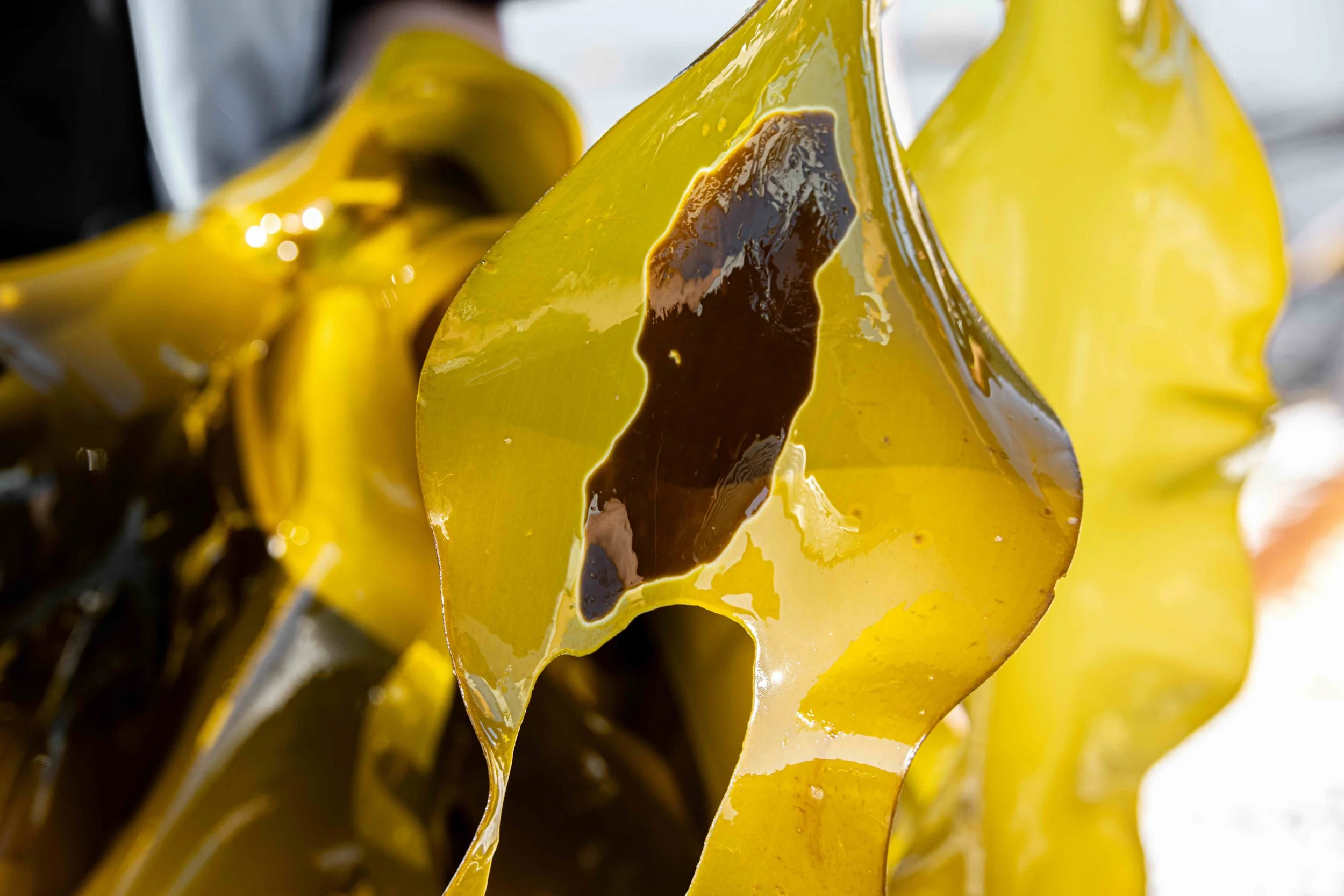
Documenting the True Value of Kelp in B.C.
Photo essay: Conversations with diverse folks working in the kelp sector in British Columbia, Canada.
A visual communication project bringing to life research led by Sarah Gutzmann expressed by visual storyteller Ana Lucía Pozas, supported by Ocean Wise in association with Simon Fraser University and Ocean Nexus, 2026.
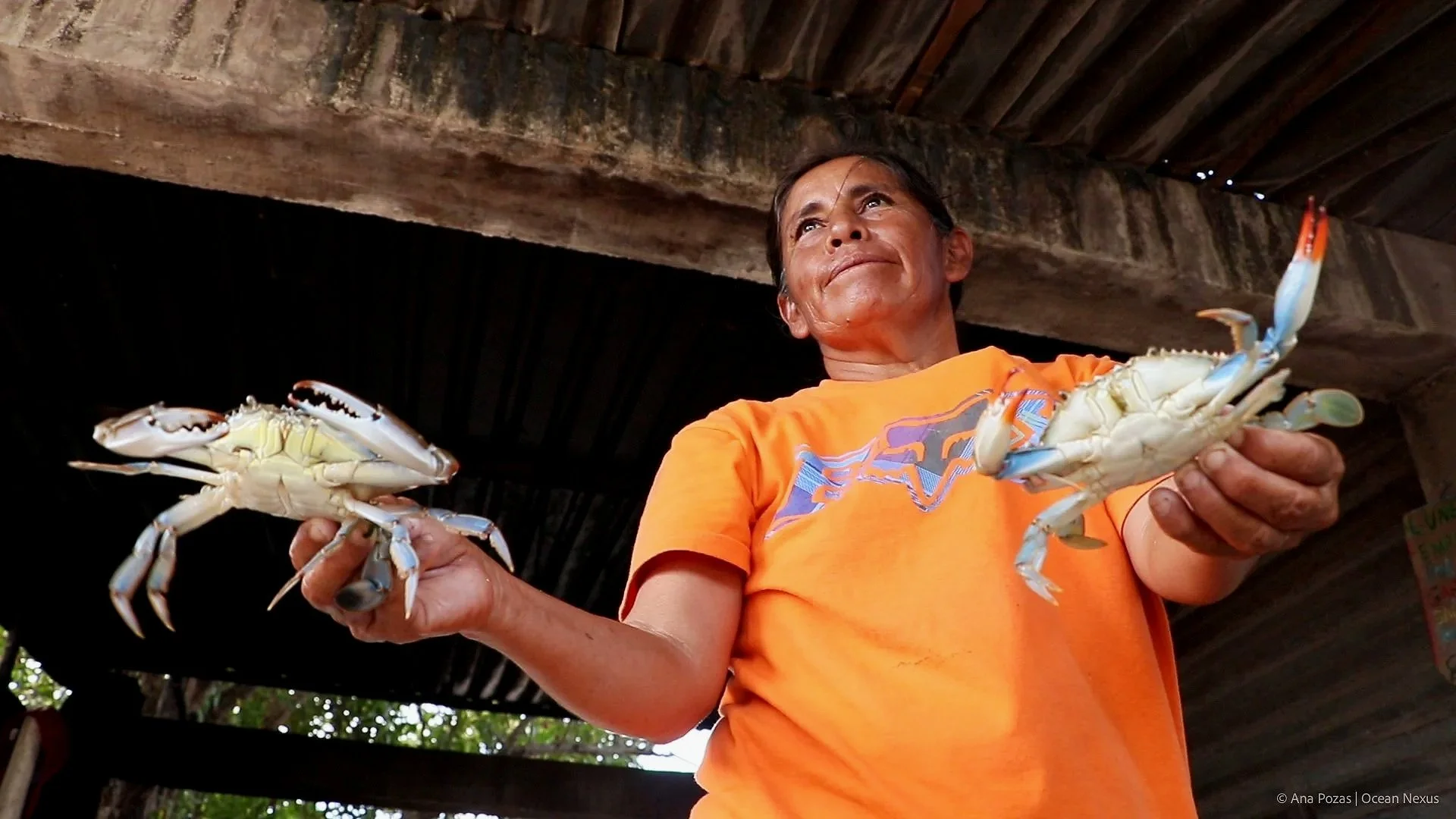
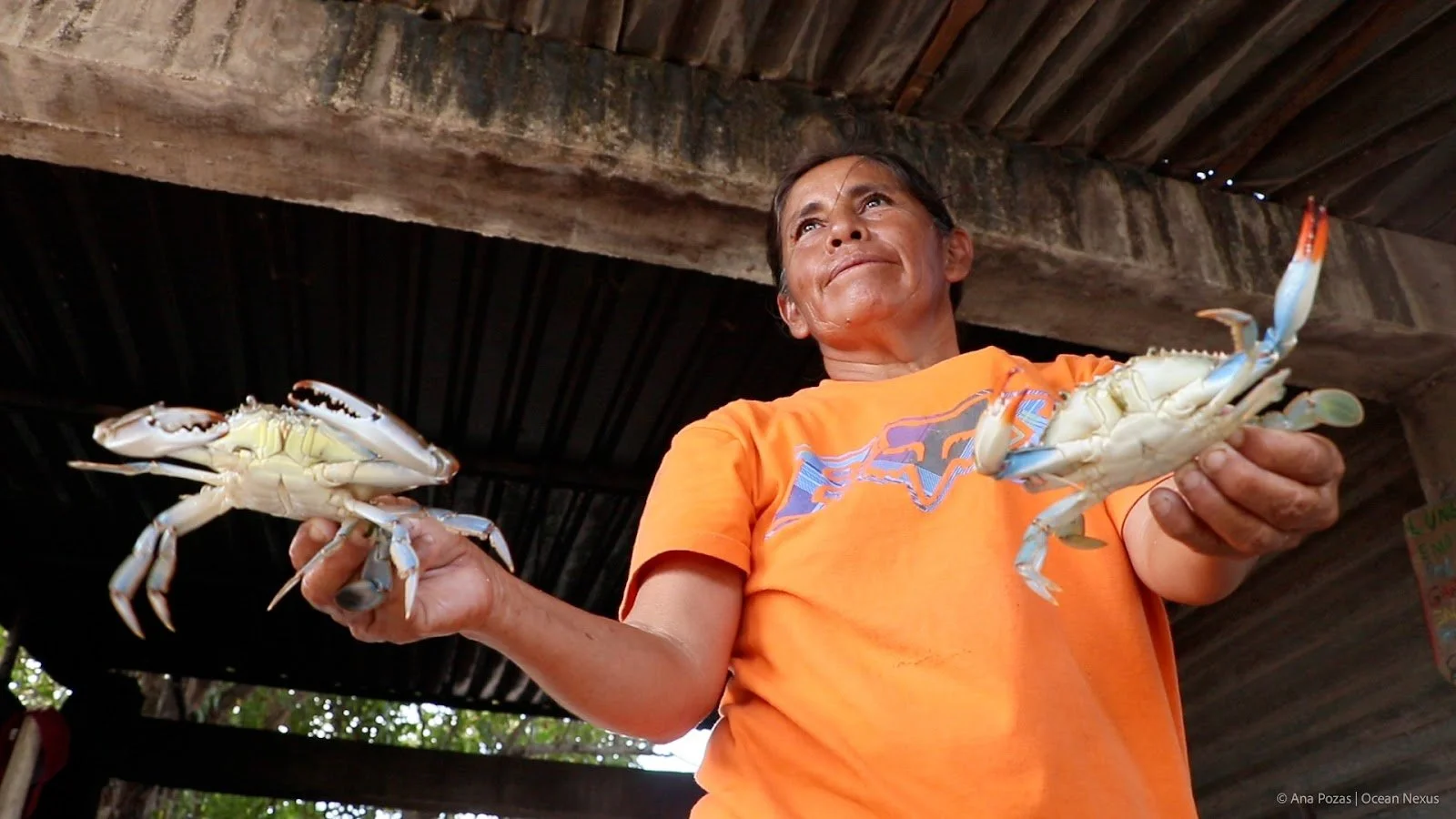
Amada, a Fisherwoman in Celestún, Mexico
Video & bilingual photo essay: Meet Amada, one of the few women fishing jaiba (crab) daily on Celestún's river in Yucatán, Mexico.
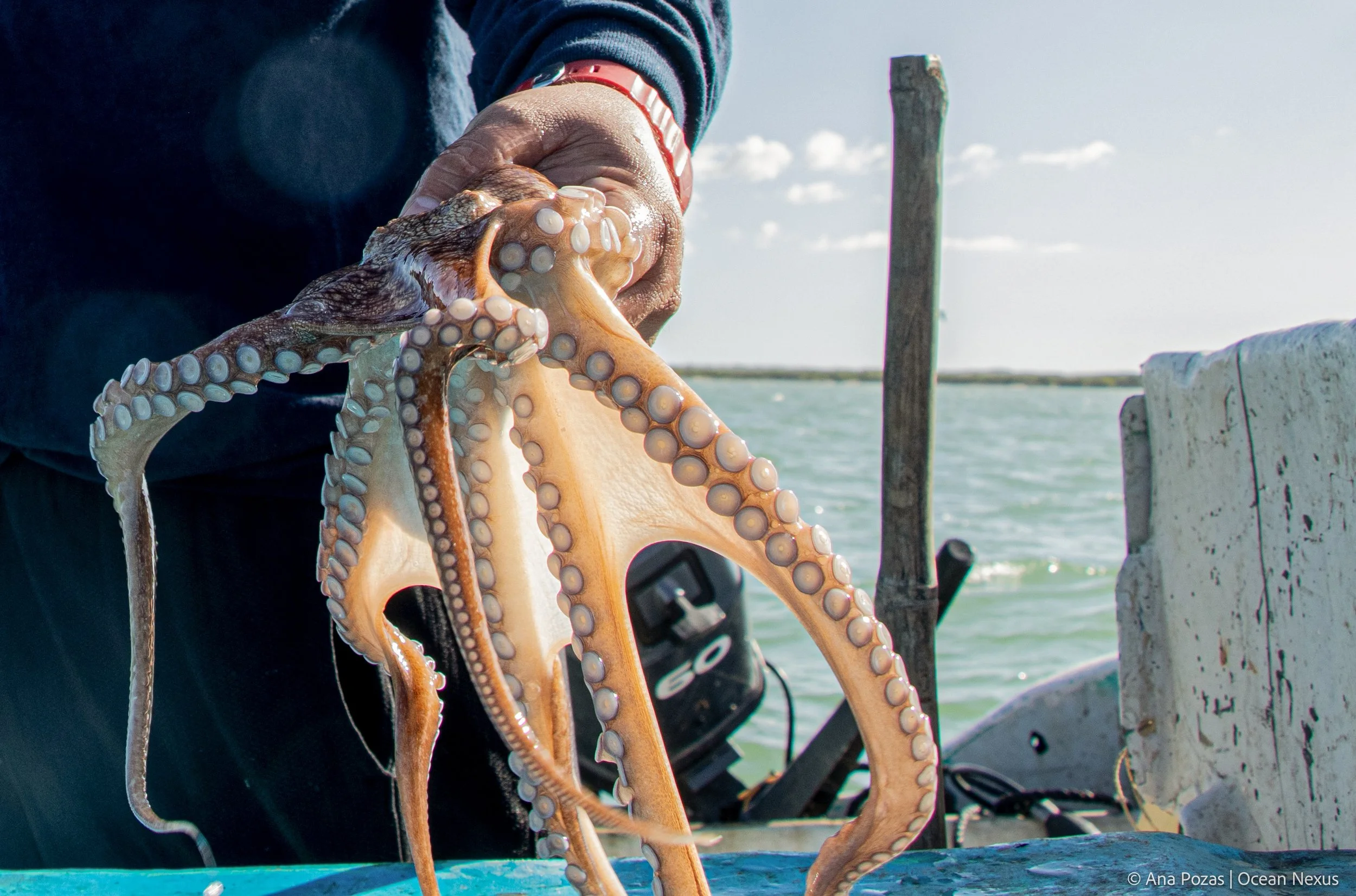
Her story is part of 'Listening to fishing communities on climate adaptation in the tropics,' a research project documenting the perspectives and livelihood challenges of artisanal fishers, which are central to the conversation.
Coastal Livelihoods in Constant Tension
Notes from the field on how coastal communities in Campeche navigate livelihoods from ocean resources under pressure—a challenge shared by many ocean dependants around the world.
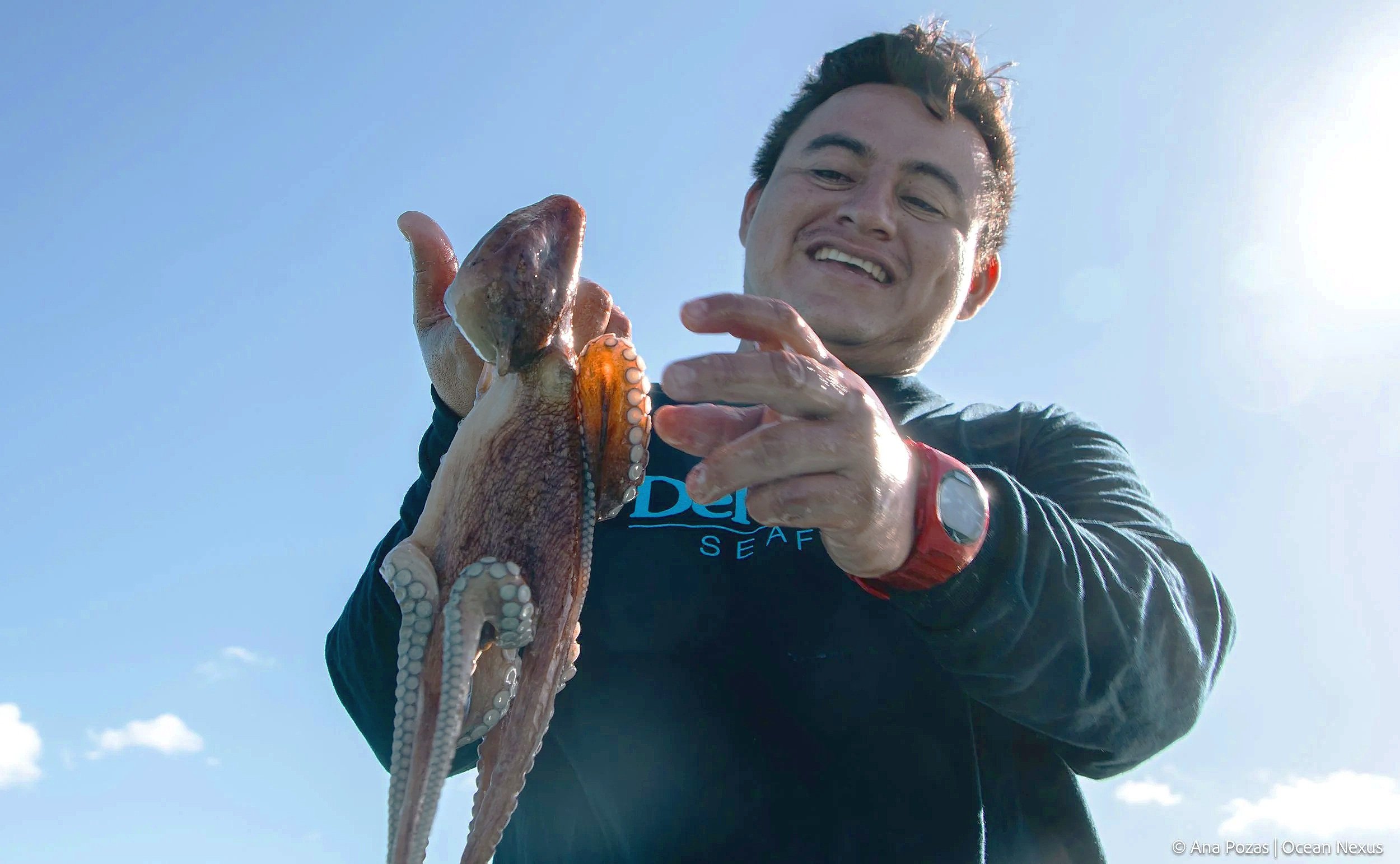
Listening to Artisanal Fishers in Yucatán, Mexico
Photo essay: Climate change adaptations are necessary to safeguard the food security, livelihoods, and cultural heritage of artisanal fishers, yet there is a lack of understanding among policy makers about the adaptation priorities of fisherfolk, and what resources or support they would need to actually implement them. We interviewed fisherfolk in Yucatán to amplify their voices and perspectives.

Grey Whale Ecotourism in Baja California Sur
Notes from a whale watching trip: it’s that time of year again, when people and grey whales head to the lagoons of Baja California Sur for the annual winter event.
A reflection on grey whale ecotourism in this region, and the impact on local livelihoods.
Photo Stories
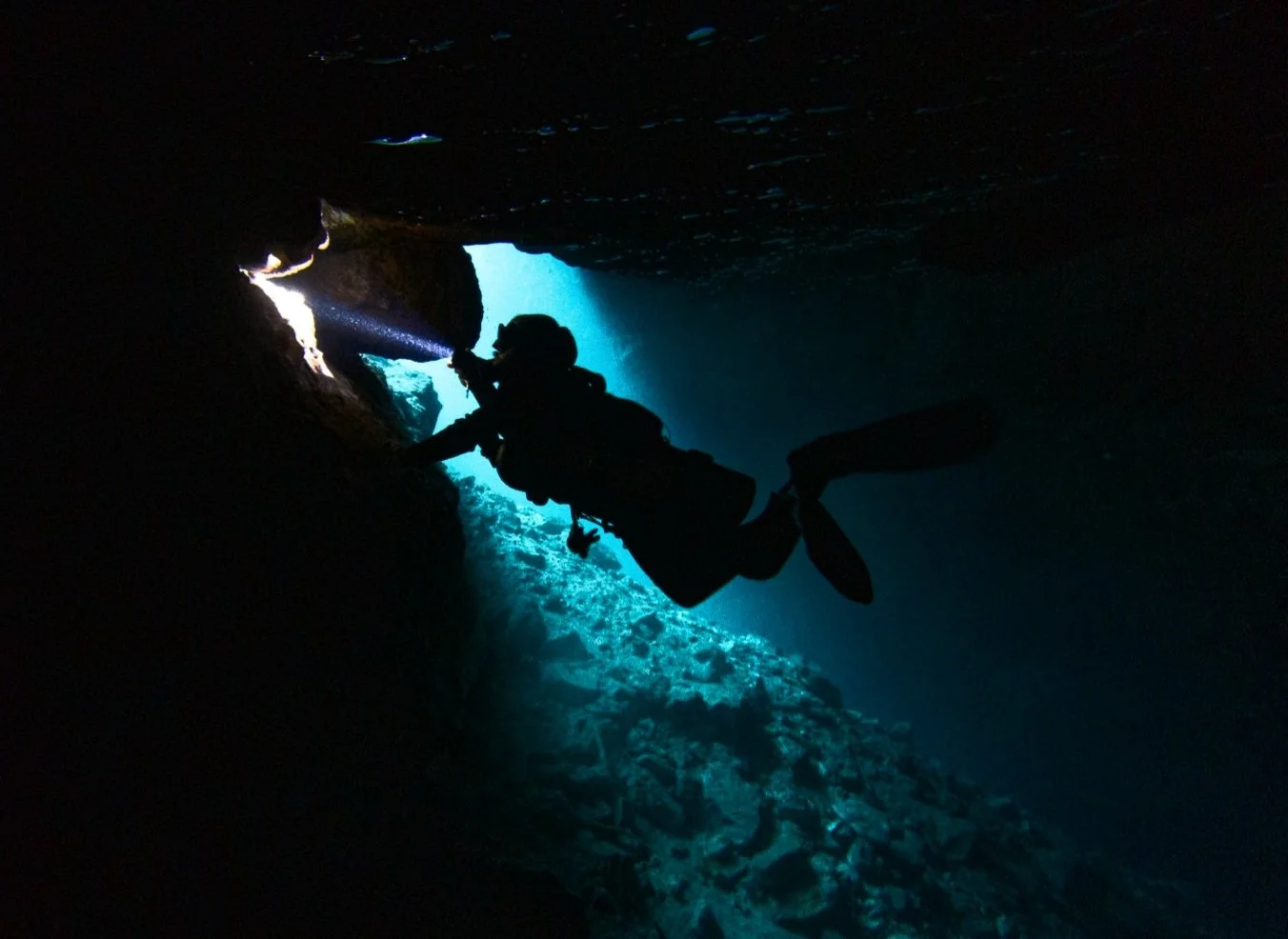
Exploring Cenotes
(Story Behind Image)
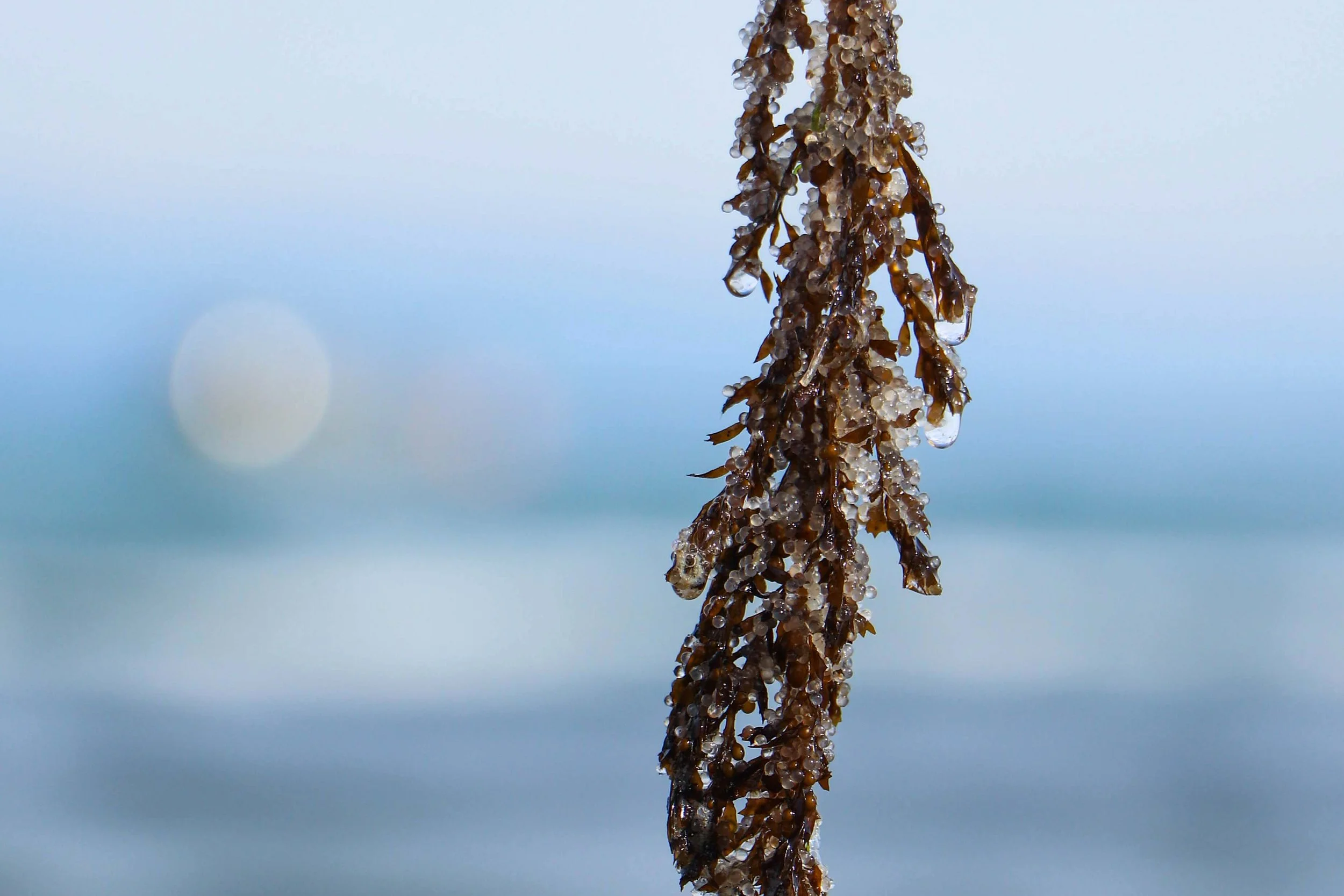
Chasing the Spawn
(Photo Comment)
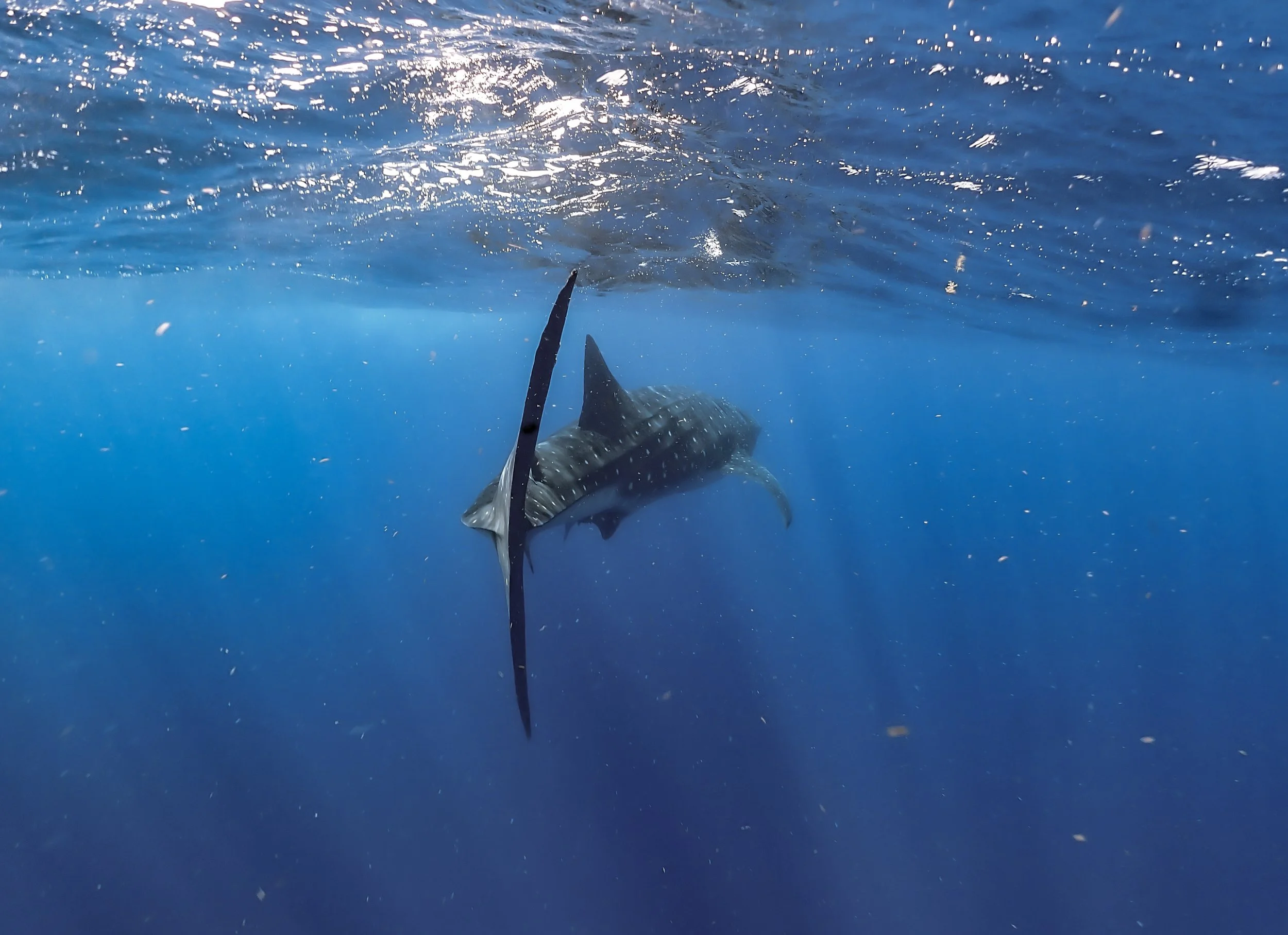
Swimming with Whale Sharks
(Story Behind Image)
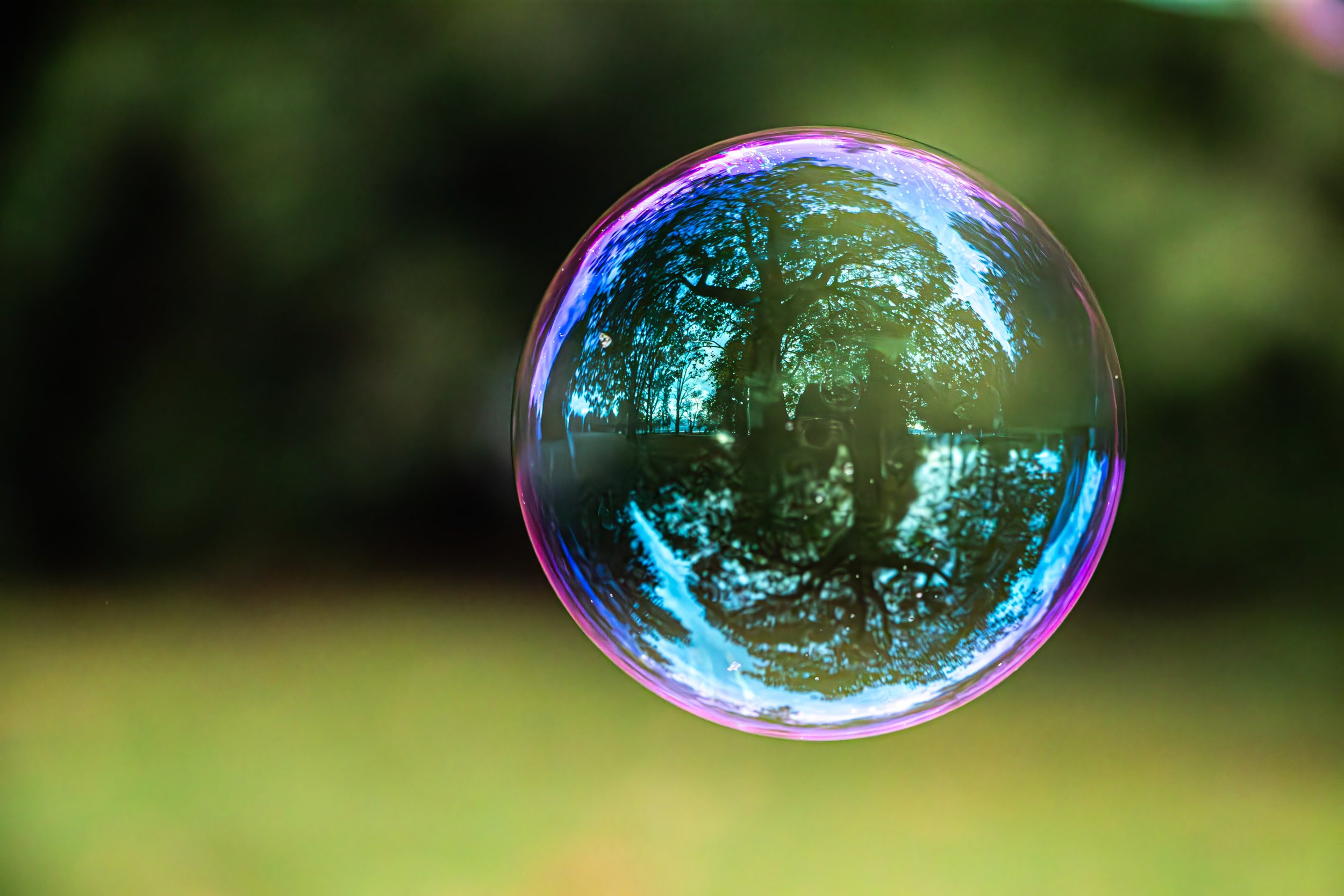
Photographing a Bubble
(Story Behind Image)
Science Communication on Social Media
A short recap video from a conservation dive in Fiji, explaining how "reef connectors" — pathways built from storm-broken coral fragments — help fish travel safely between reef patches without exposing themselves to predators.
A recap reel from a fieldwork day in Fiji, documenting village visits and interviews with coastal communities who depend on mangrove ecosystems — part of a UBC research project studying how blue carbon initiatives impact the people most affected by them.
In collaboration with science teacher & children’s book author Jayda Abrams, I was featured in her kid-friendly series featuring different scientists and the variety of STEM careers.
A recap reel from a trip to a remote, boat-access-only beach in Campeche, Mexico, spotlighting the region's ancient Maya history — visible even here, where centuries-old pottery fragments still wash ashore.
Videography & Films
After spending a month interviewing artisanal fishers in Yucatán for a research study, I wanted to spotlight their stories beyond quantitative science. In this short documentary, Amada tells us about her life as one of the only fisherwoman in the fishing town of Celestún, Mexico.
Come along on a reef dive in La Paz, Mexico as I test out the macro on the Olympus Tough TG-6 camera.
Get a glimpse of Uxmal – an ancient Maya city in Yucatán, featuring local wildlife and a caco ceremony.
This short film ‘A Pleasant Surprise’ touches on nostalgia and living far from family. Coursework project for the Vancouver Film School Intro to Cinematography course.
Photography
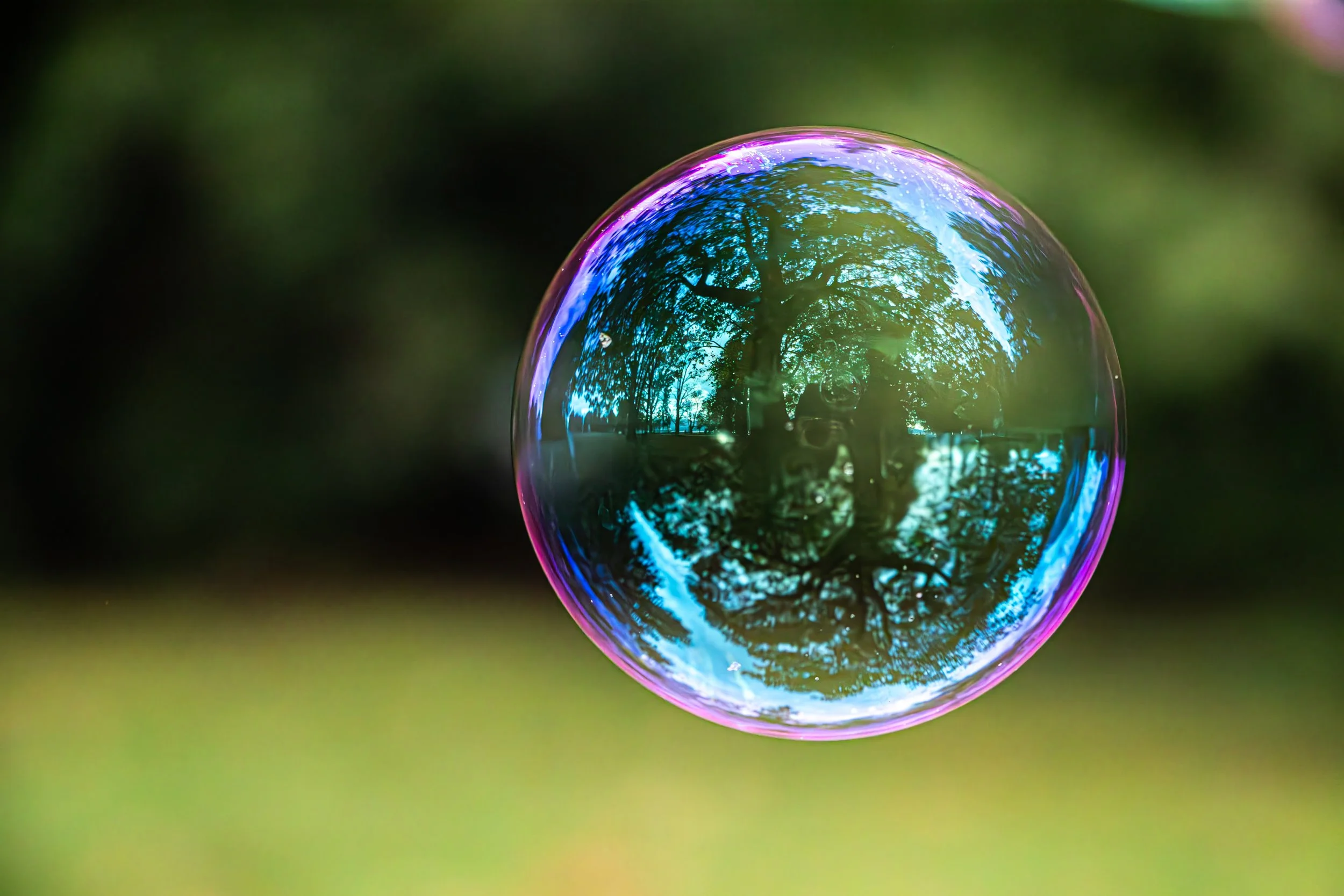
Do you notice how bubbles cause two opposite reflections of its surroundings? No two bubble photos will ever be the same.
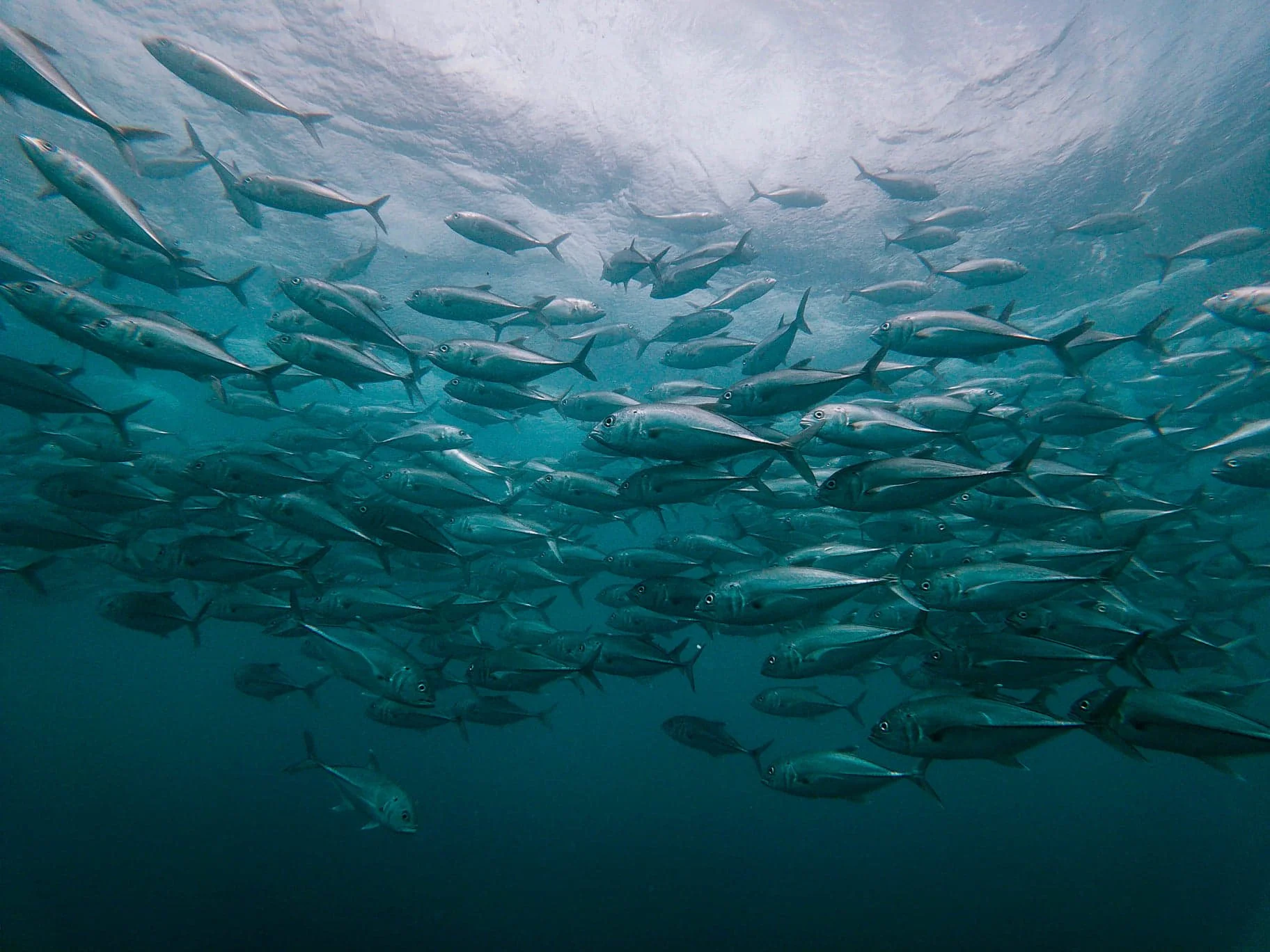
A huge school of Big-eyed jacks (Caranx sexfasciatus) swarm divers in the renowned marine reserve of Cabo Pulmo, Mexico.
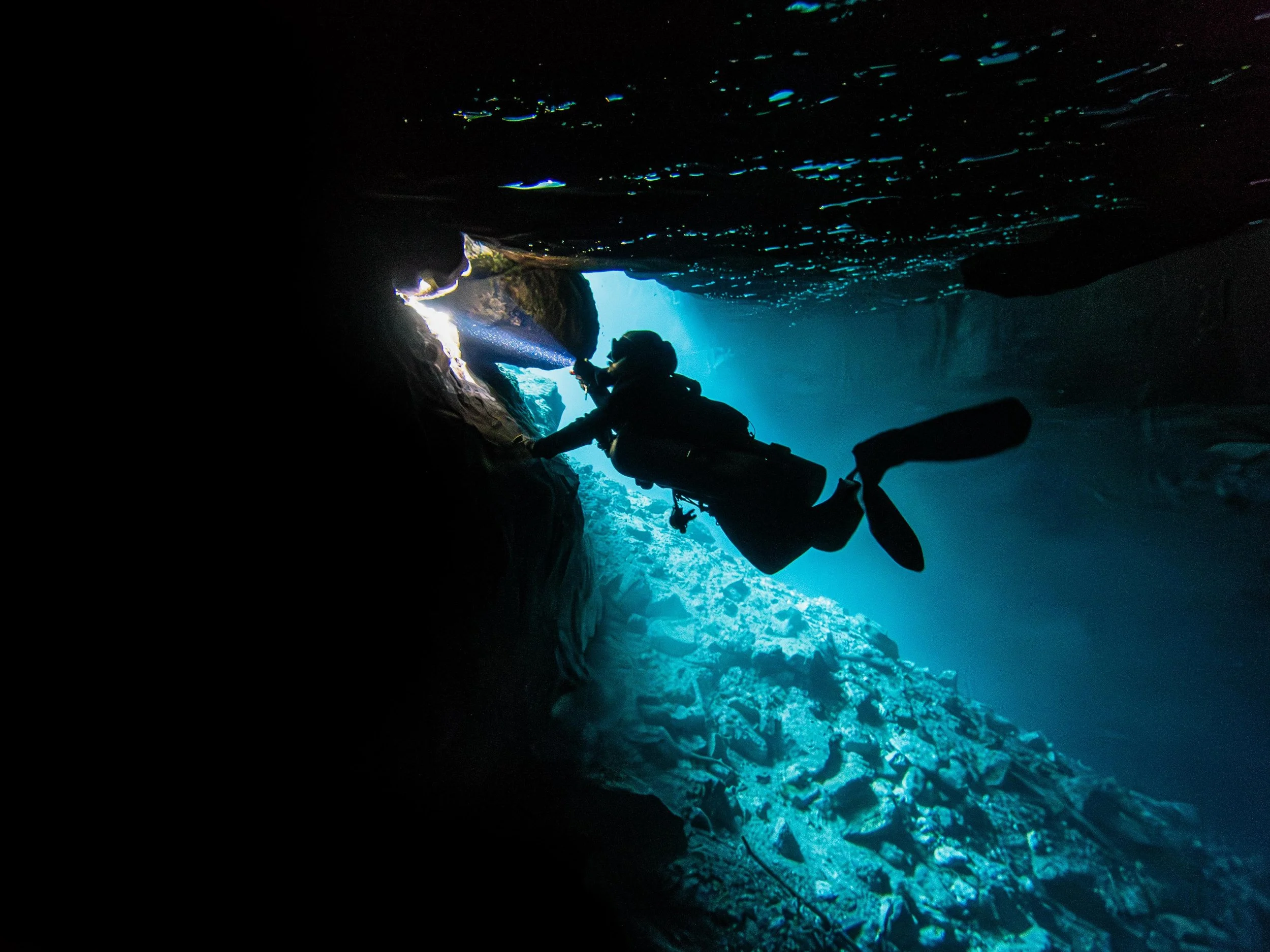
Dive guide looking into a crevice near the entrance of cenote X'batun in Yucatán, Mexico.
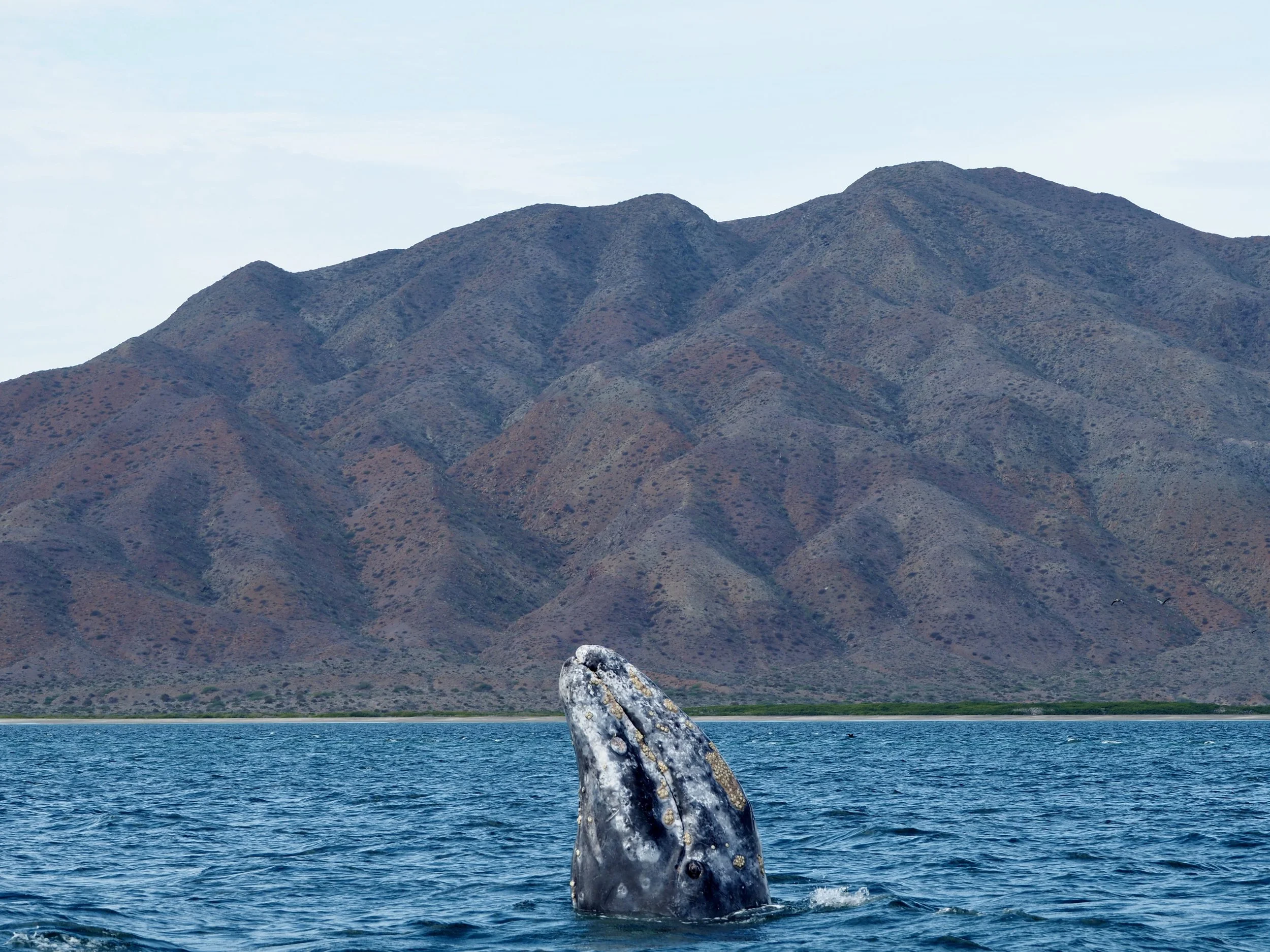
A grey whale (Eschrichtius robustus) spy-hopping our boat in Puerto Chale, Baja California Sur, Mexico.
A whale shark (Rhincodon typus)—the biggest fish in the ocean in the Mexican Caribbean. Swimming with them is an undeniably unique experience if done responsibly, and photographing them is no easy task!
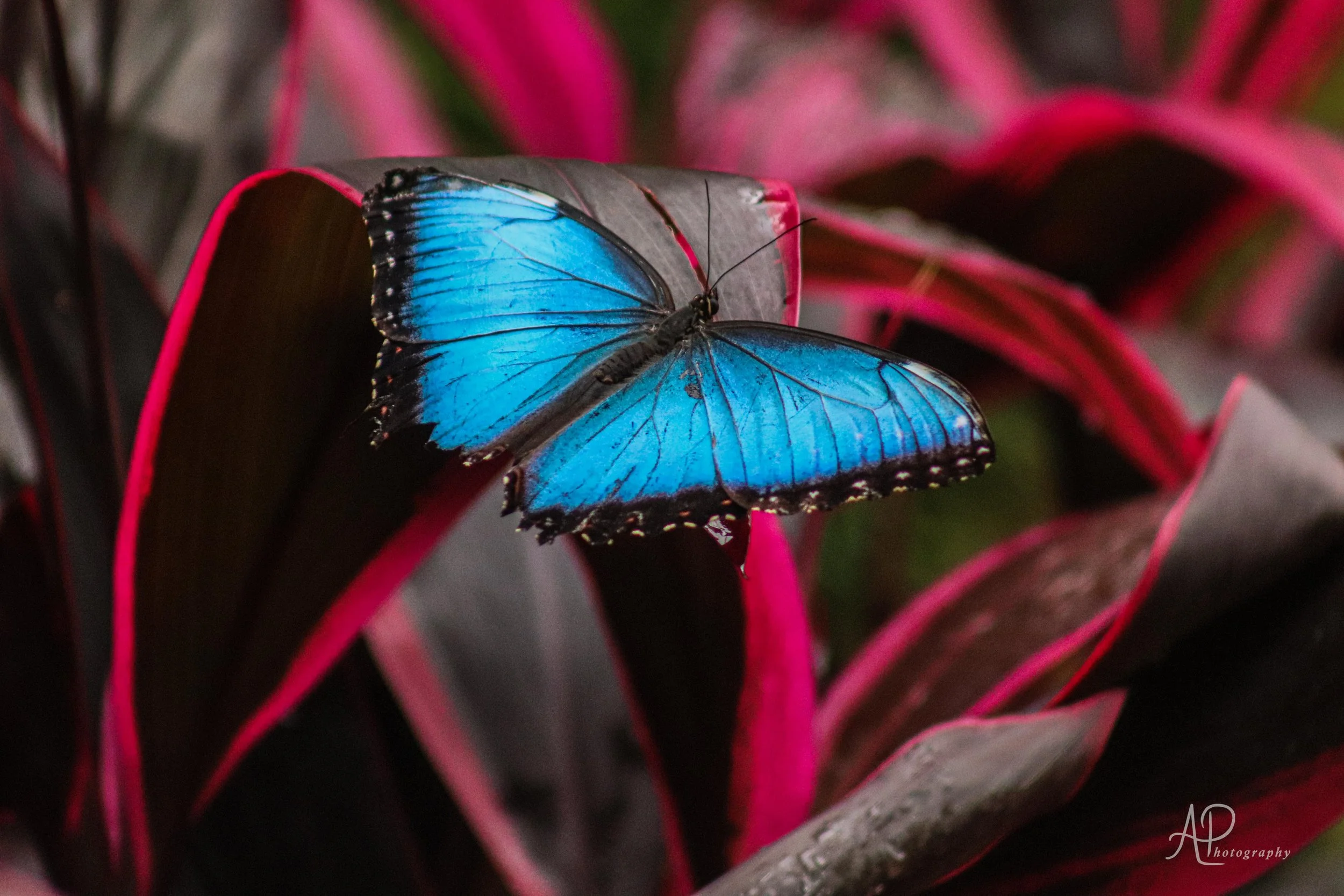
A blue morpho butterfly (Morpho peleides) in Costa Rica's Diamante Eco Adventure Park.
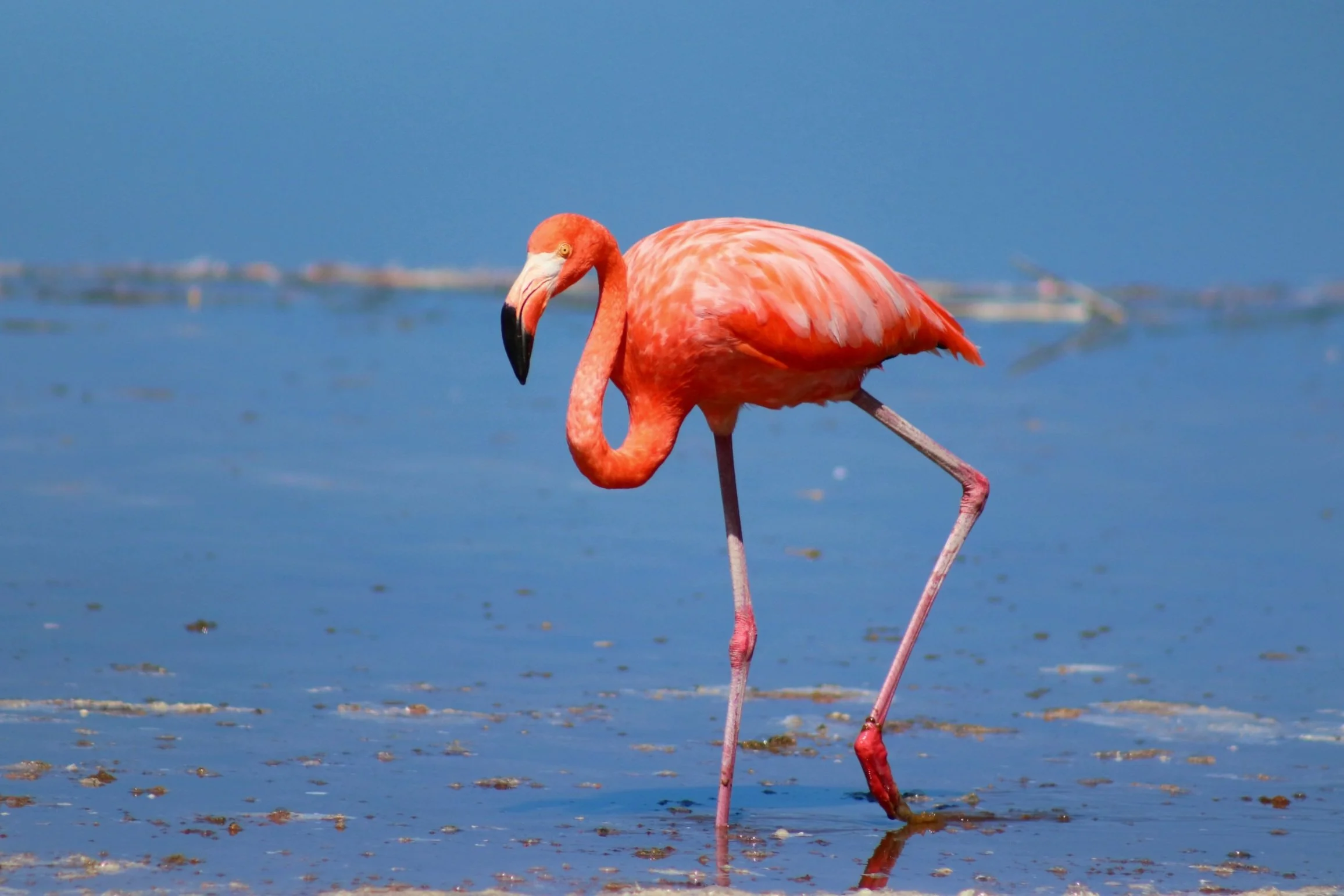
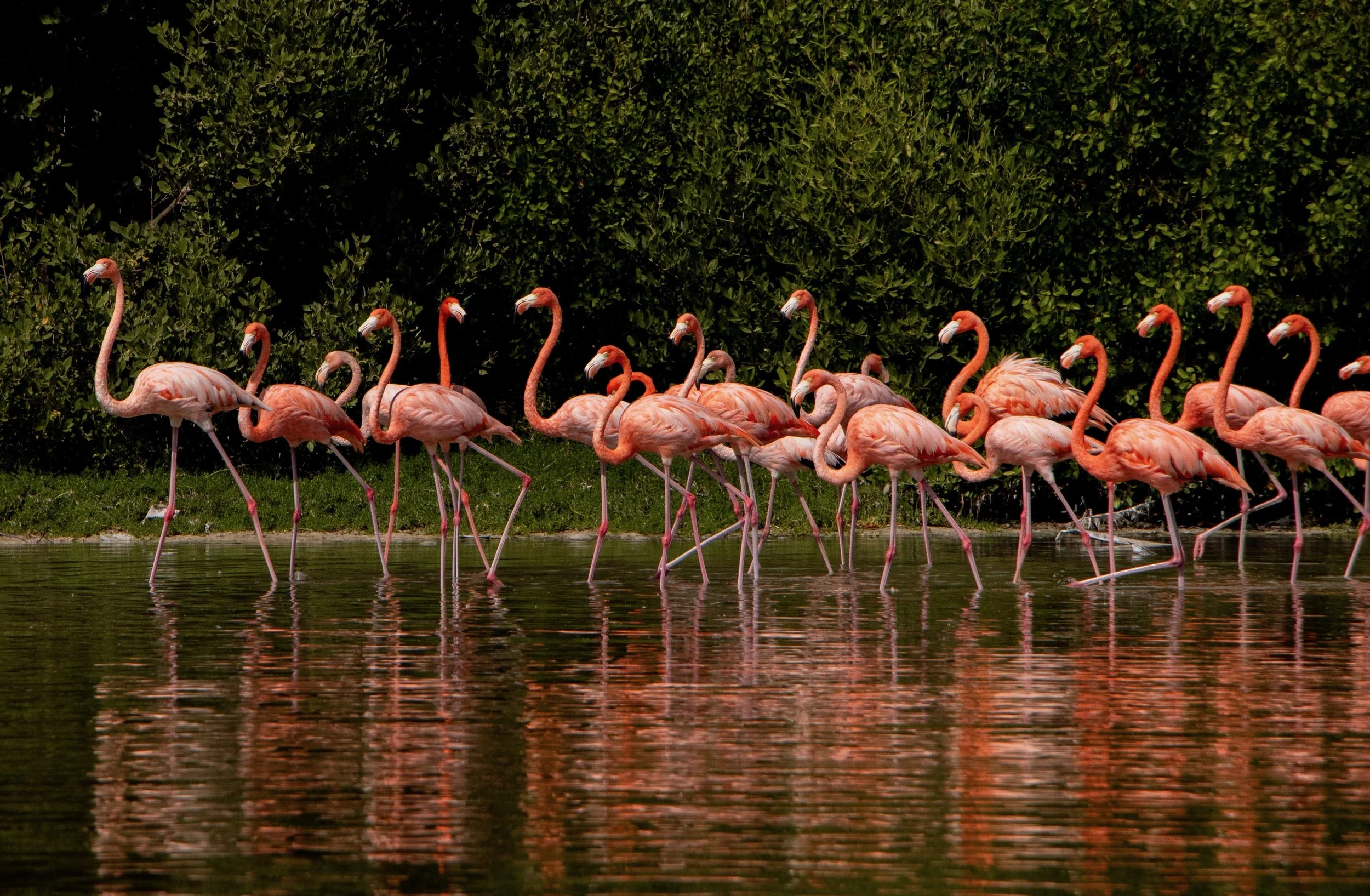
A pink flamingo (Phoenicopterus ruber) in Celestún, Yucatán—an iconic species important for ecotourism in the region.
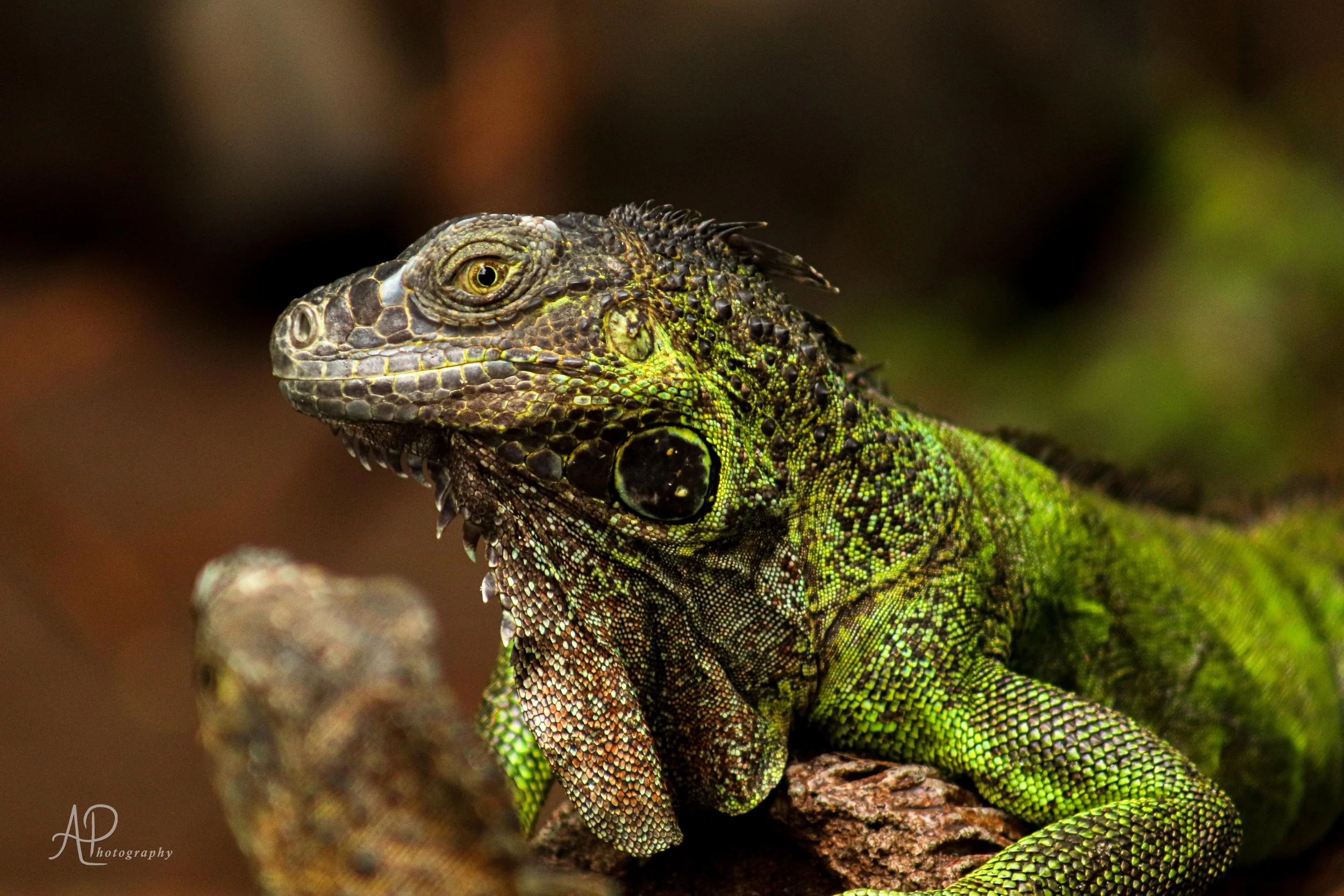
A green iguana (Iguana iguana) makes eye-contact at Costa Rica's Diamante Eco Adventure Park.
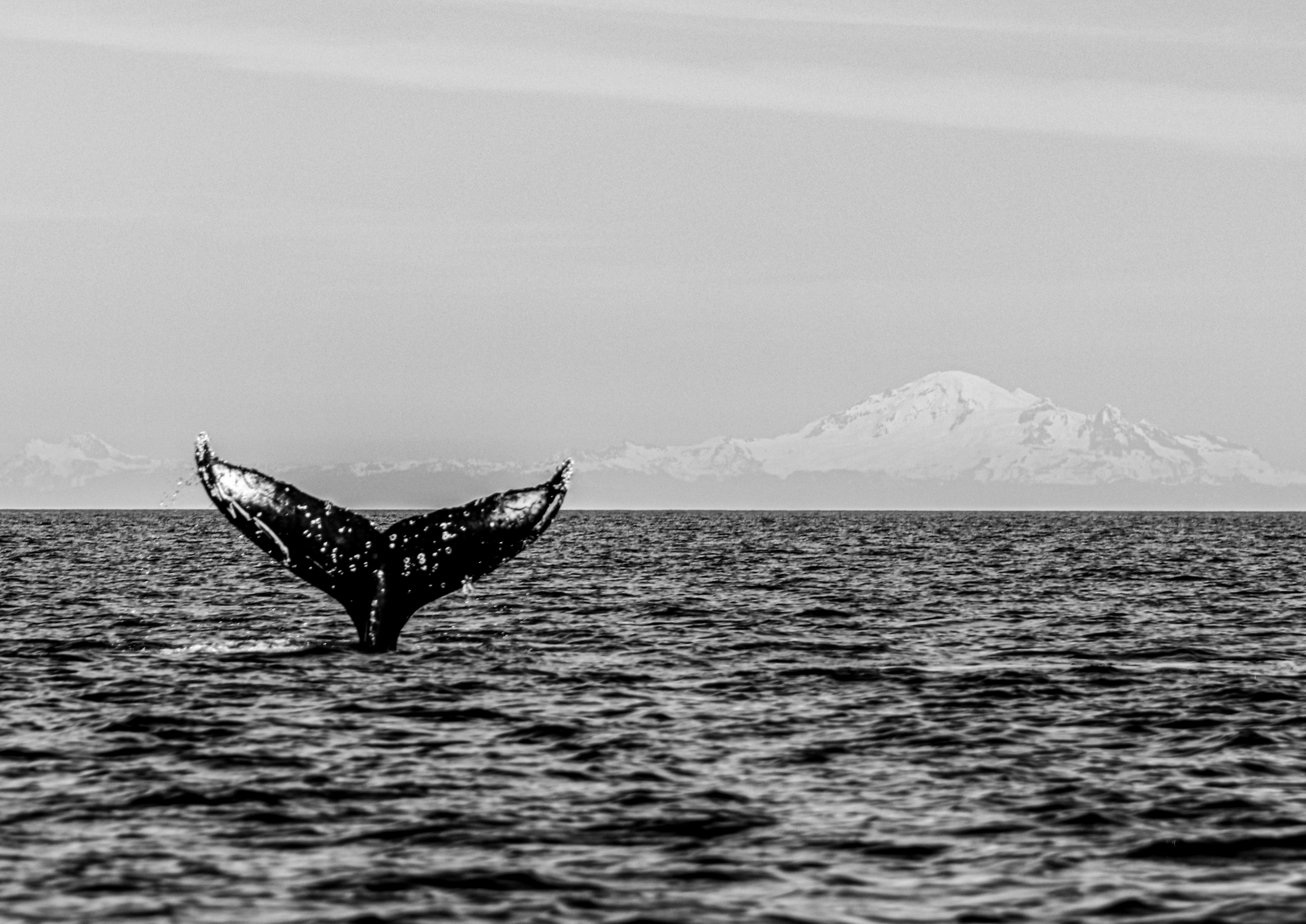
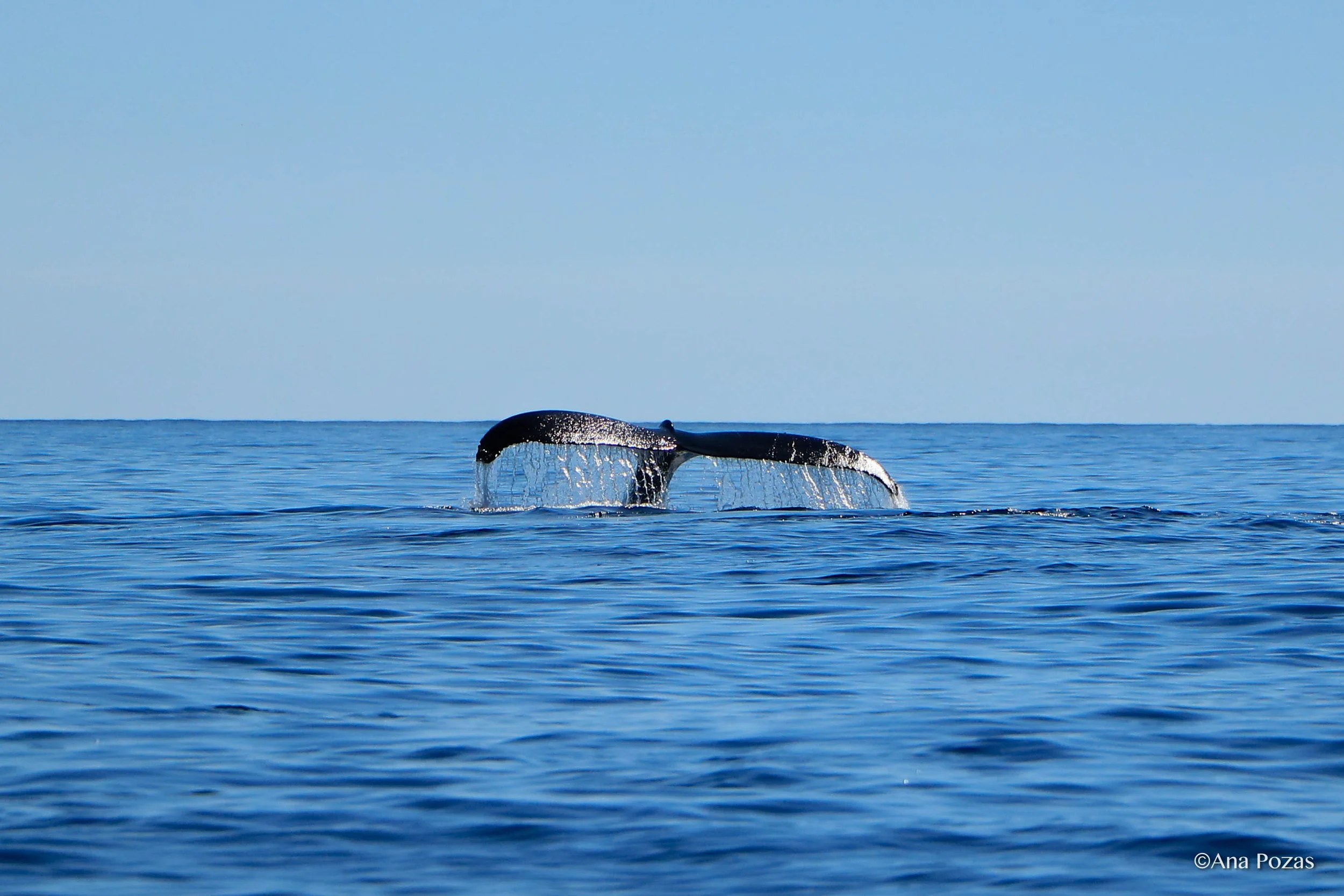
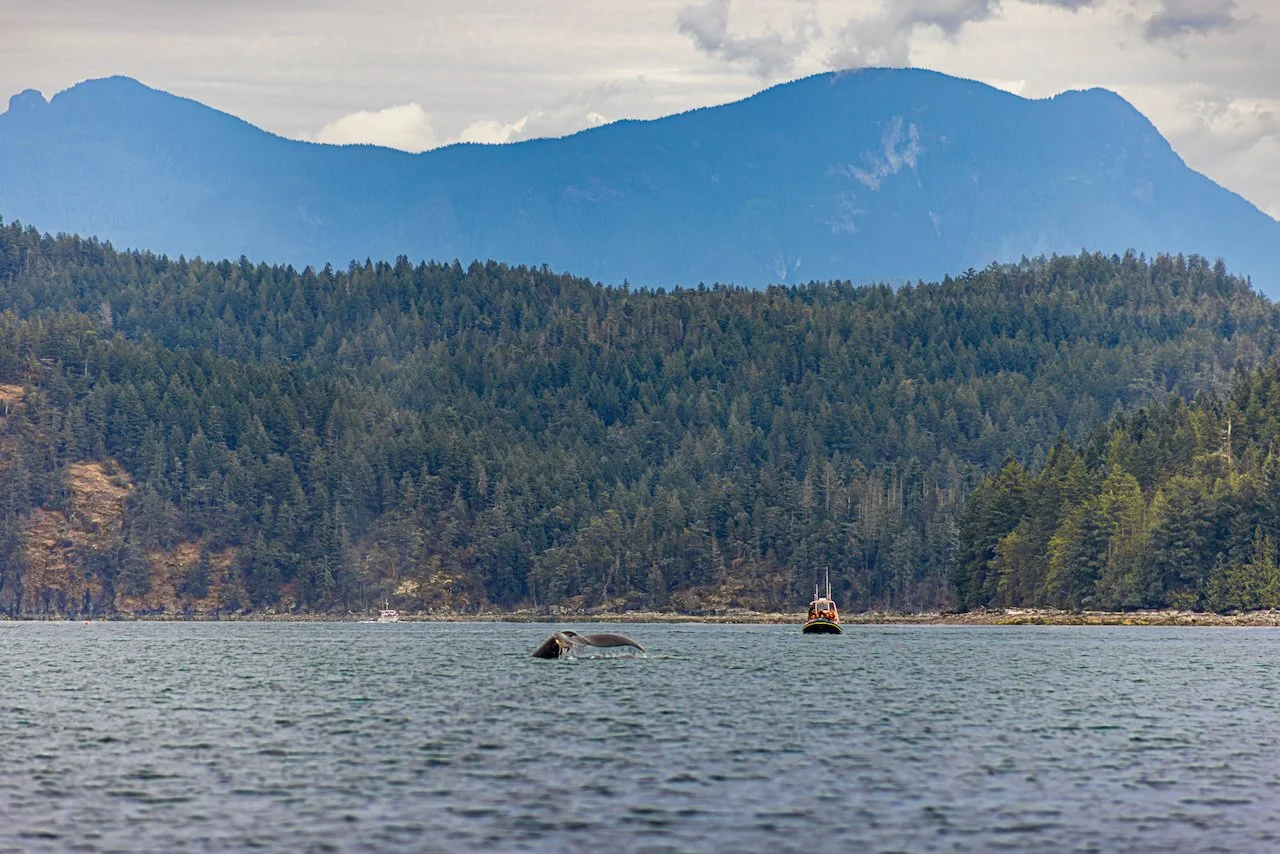
A humpback whale fluke (Megaptera novaeangliae) in Canada pierces through the ocean surface along the same horizon as Mount Baker in the USA.
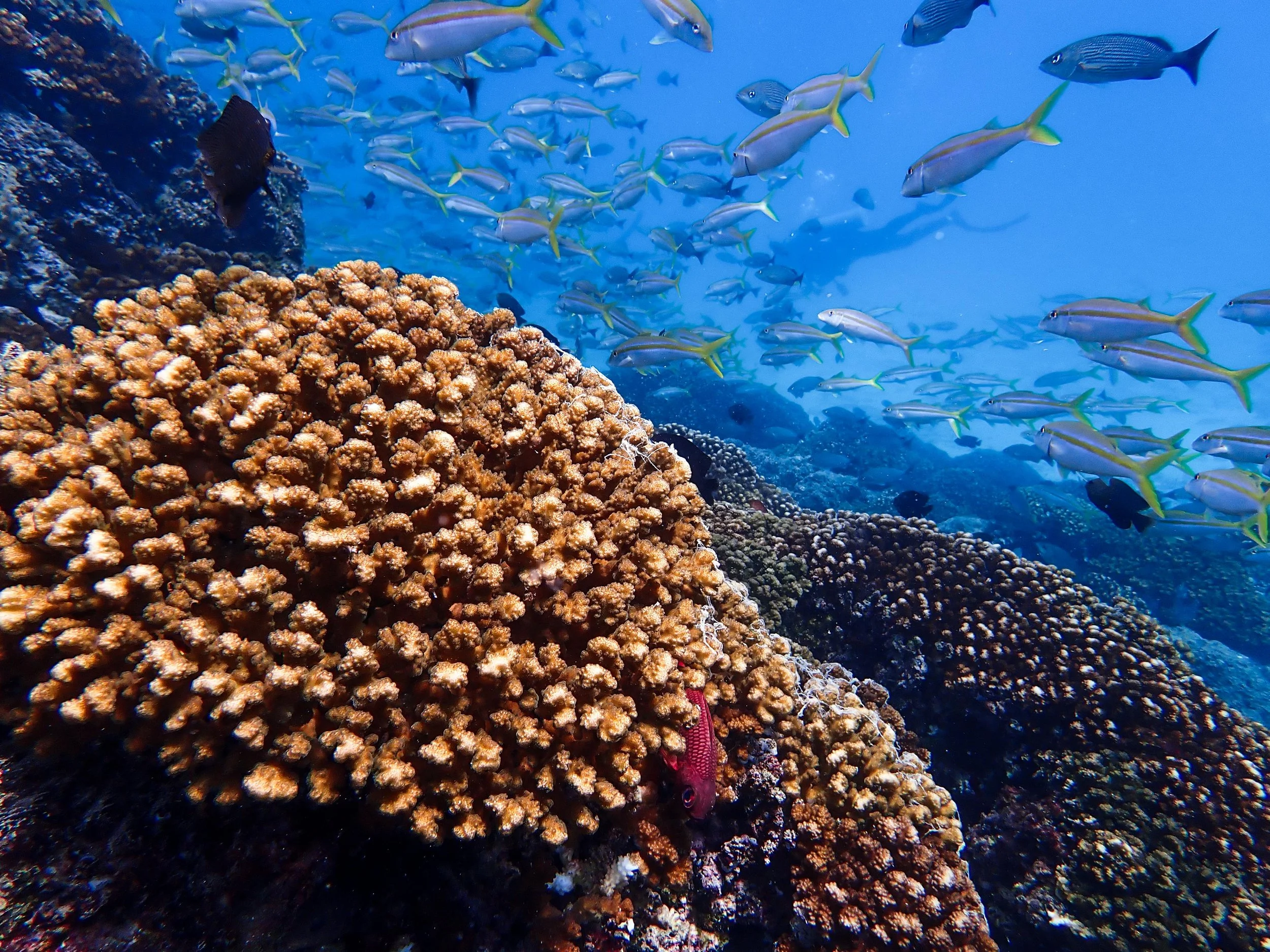
A vibrant reef in La Paz, Baja California Sur. Can you spot the curious red fish in the foreground and the divers in the background?
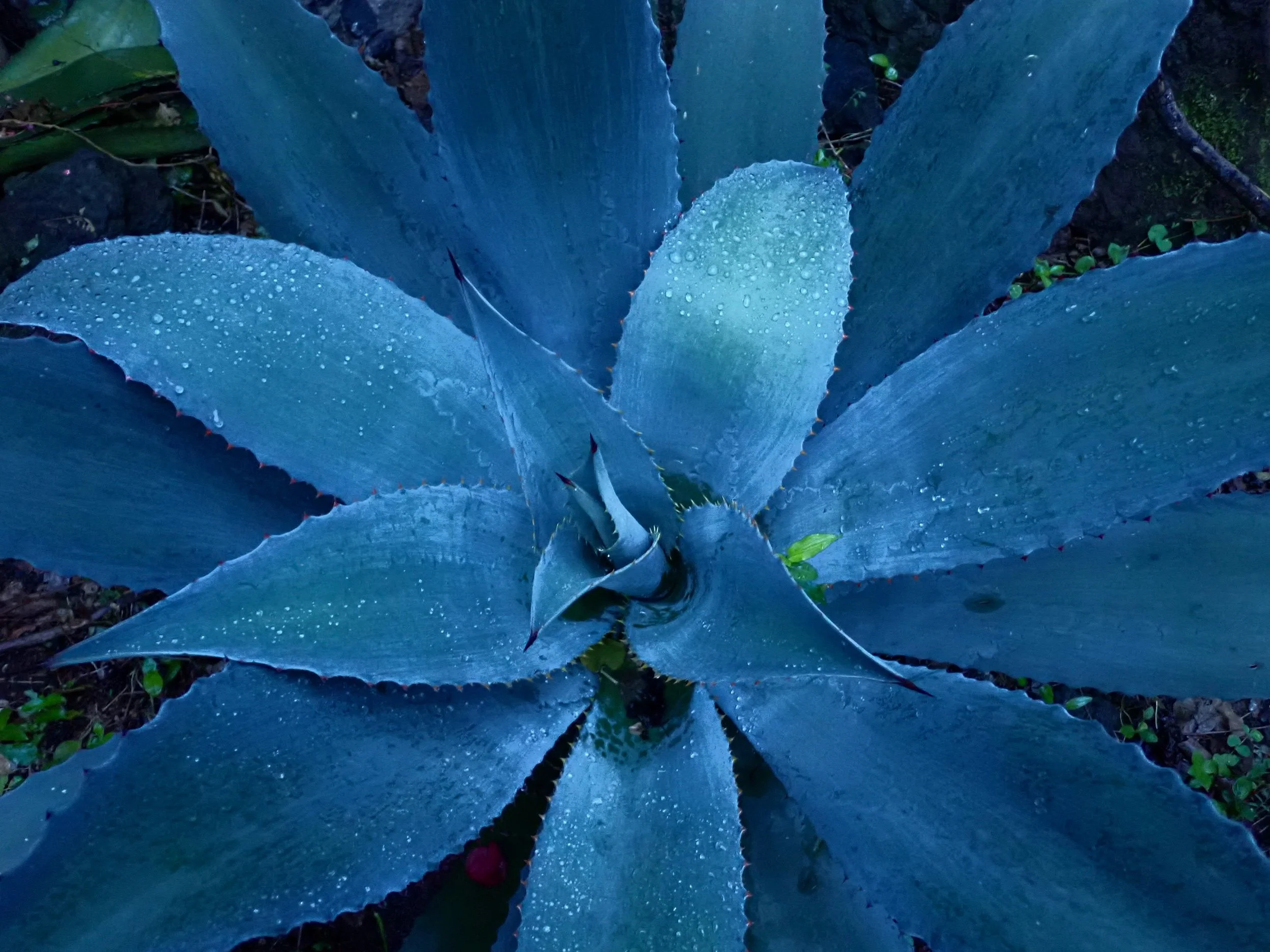
A blue agave (Agave tequilana) in Tepoztlán, Mexico radiates a beautiful blue at dusk after rainfall.
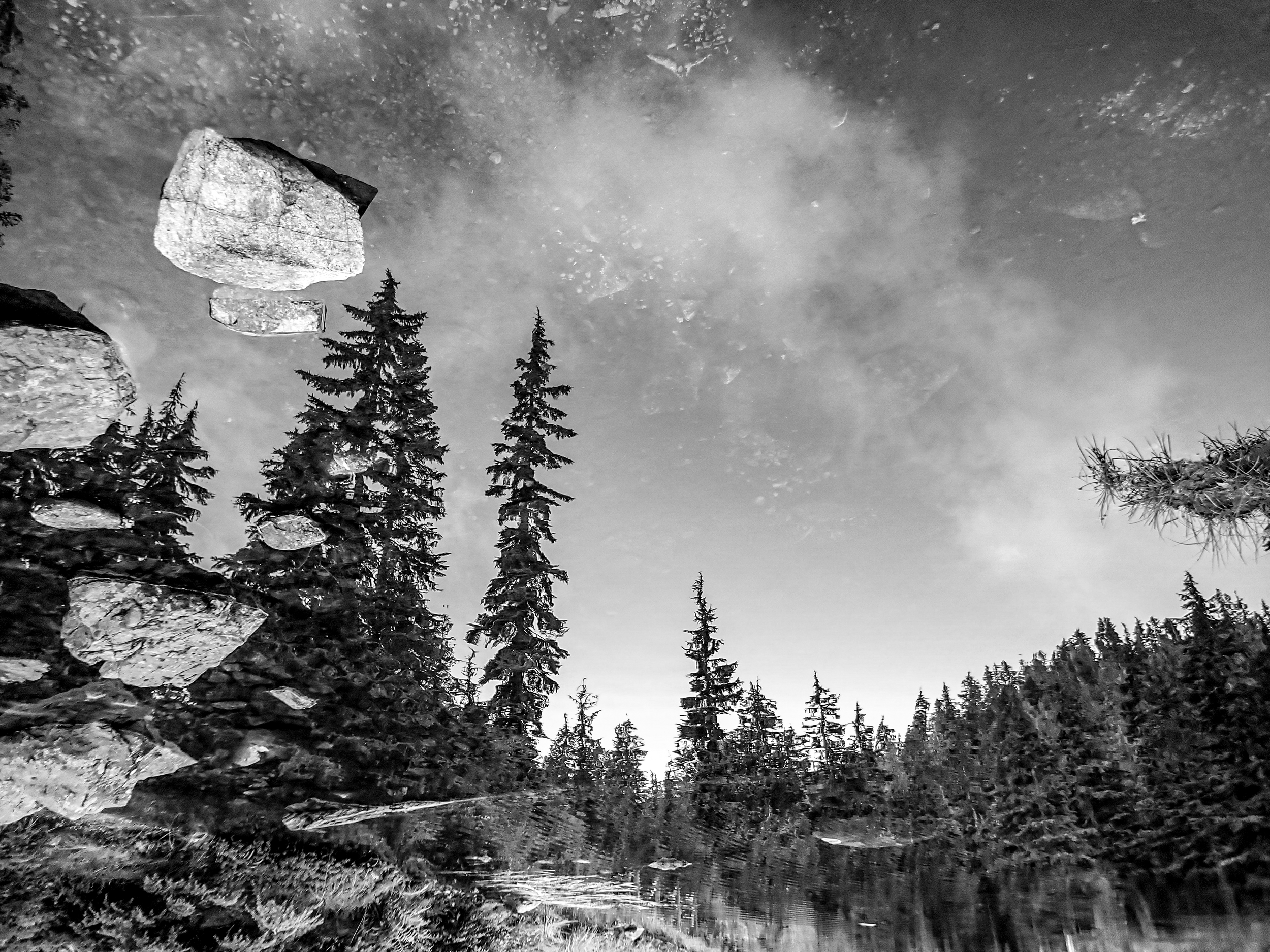
Rocky skies — lake reflections in Mount Seymour, Canada yield a new perspective.
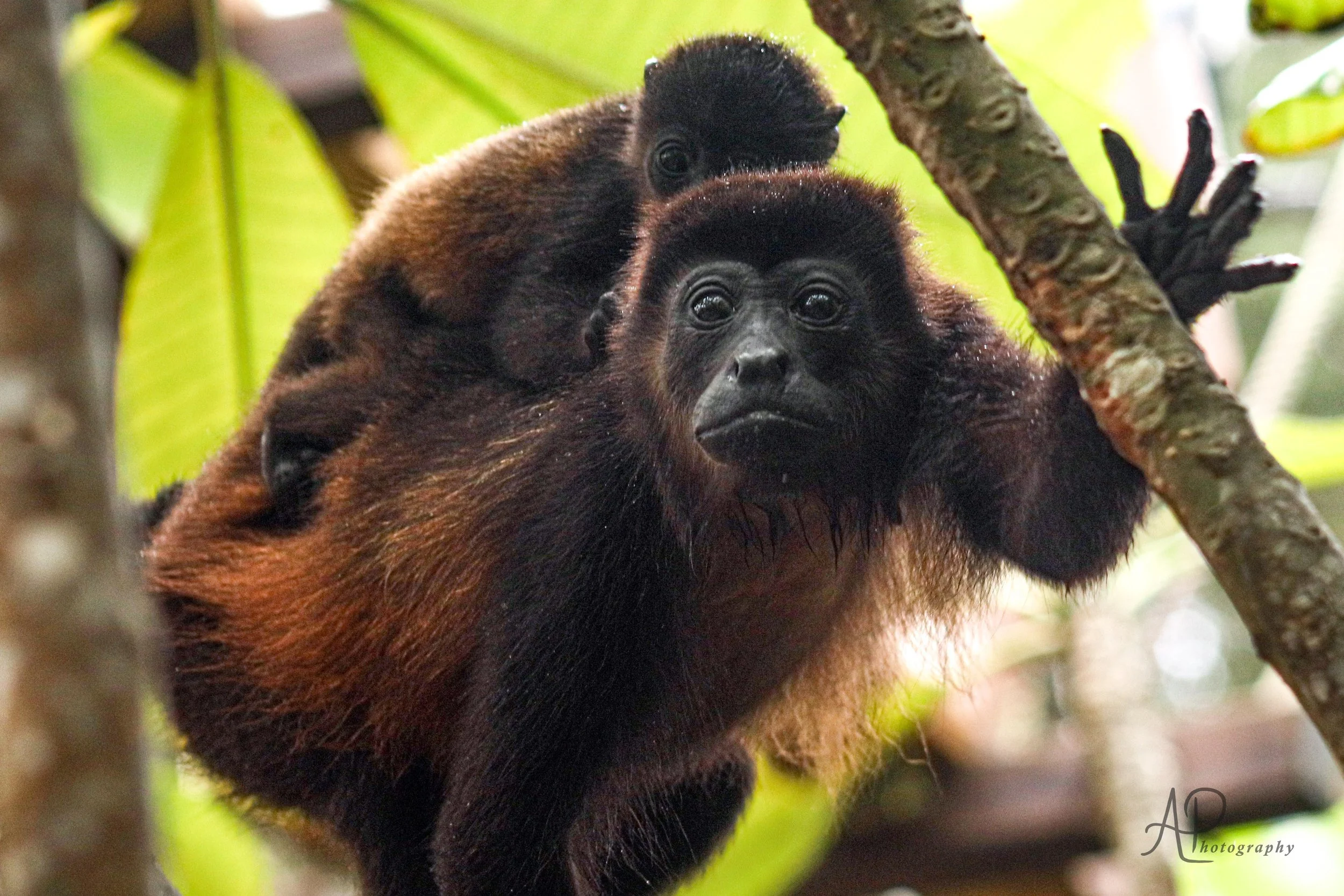
A wild howler money mother (Alouatta palliata) and her young chimp swing through the trees in Guanacaste, Costa Rica.
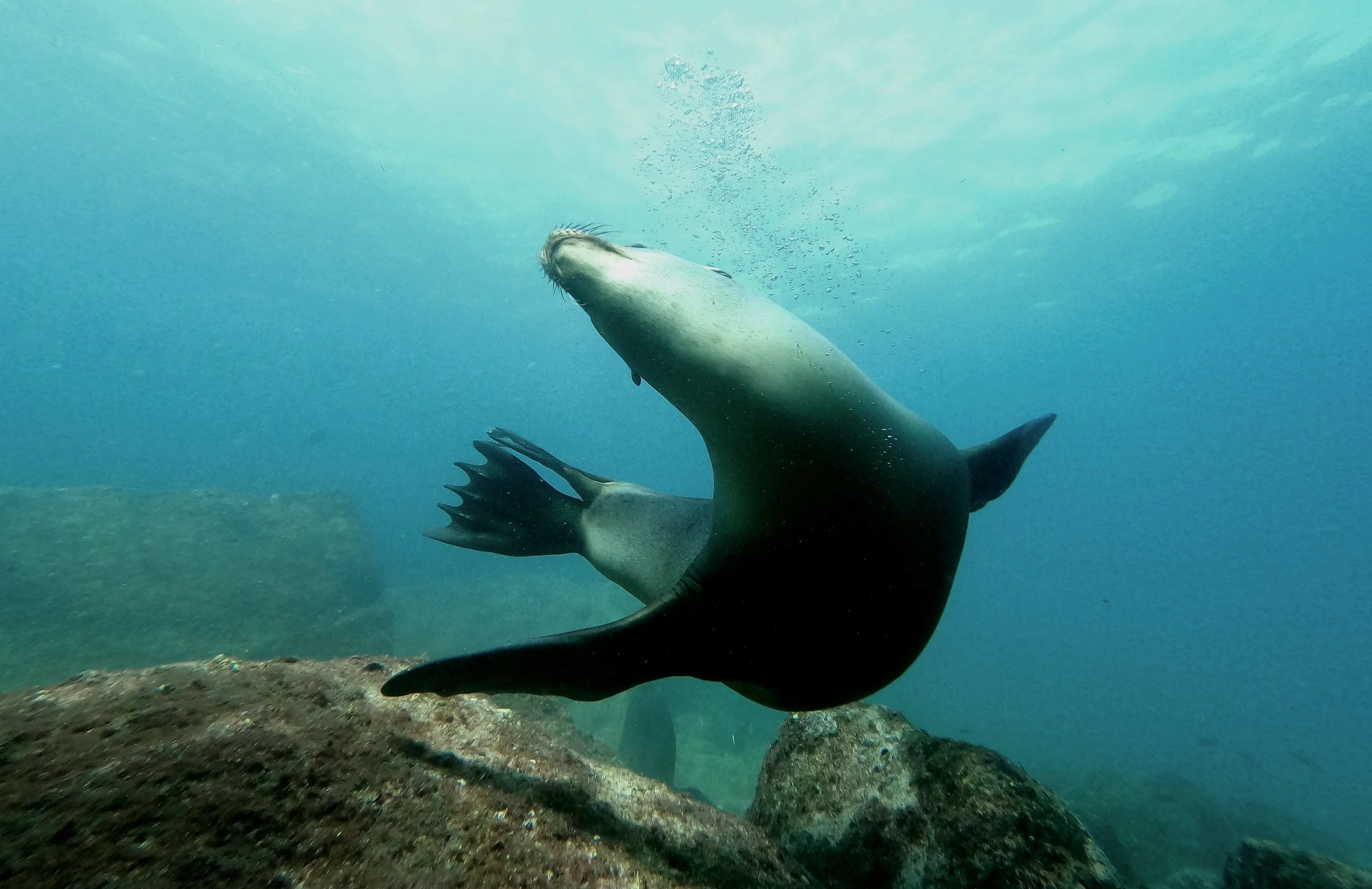
A young and playful California sea lion (Zalophus californianus) pirouettes in front of SCUBA divers in Los Islotes, Mexico.
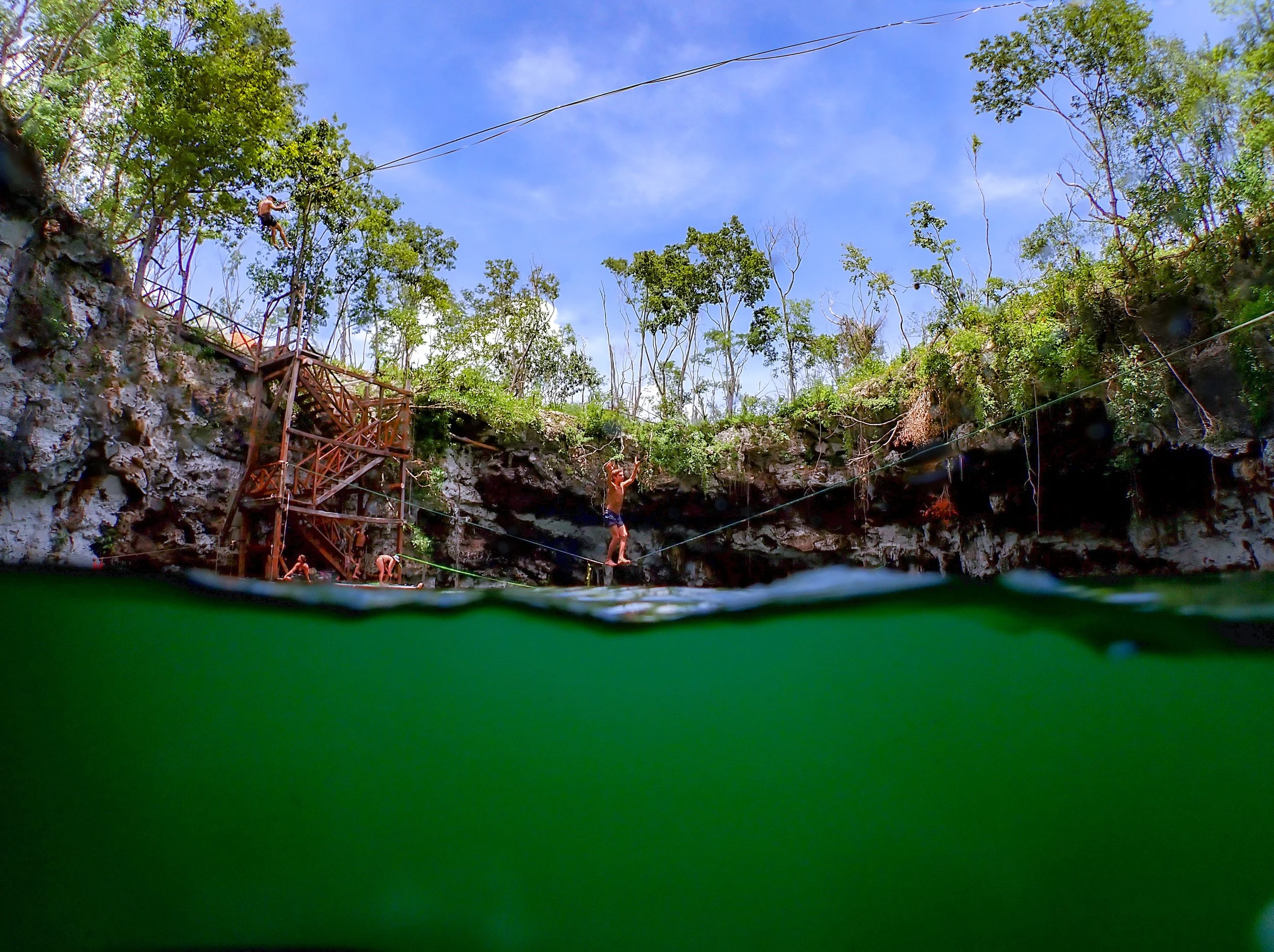
Slack-liners practicing at Cenote Yaakun in Playa del Carmen, México.
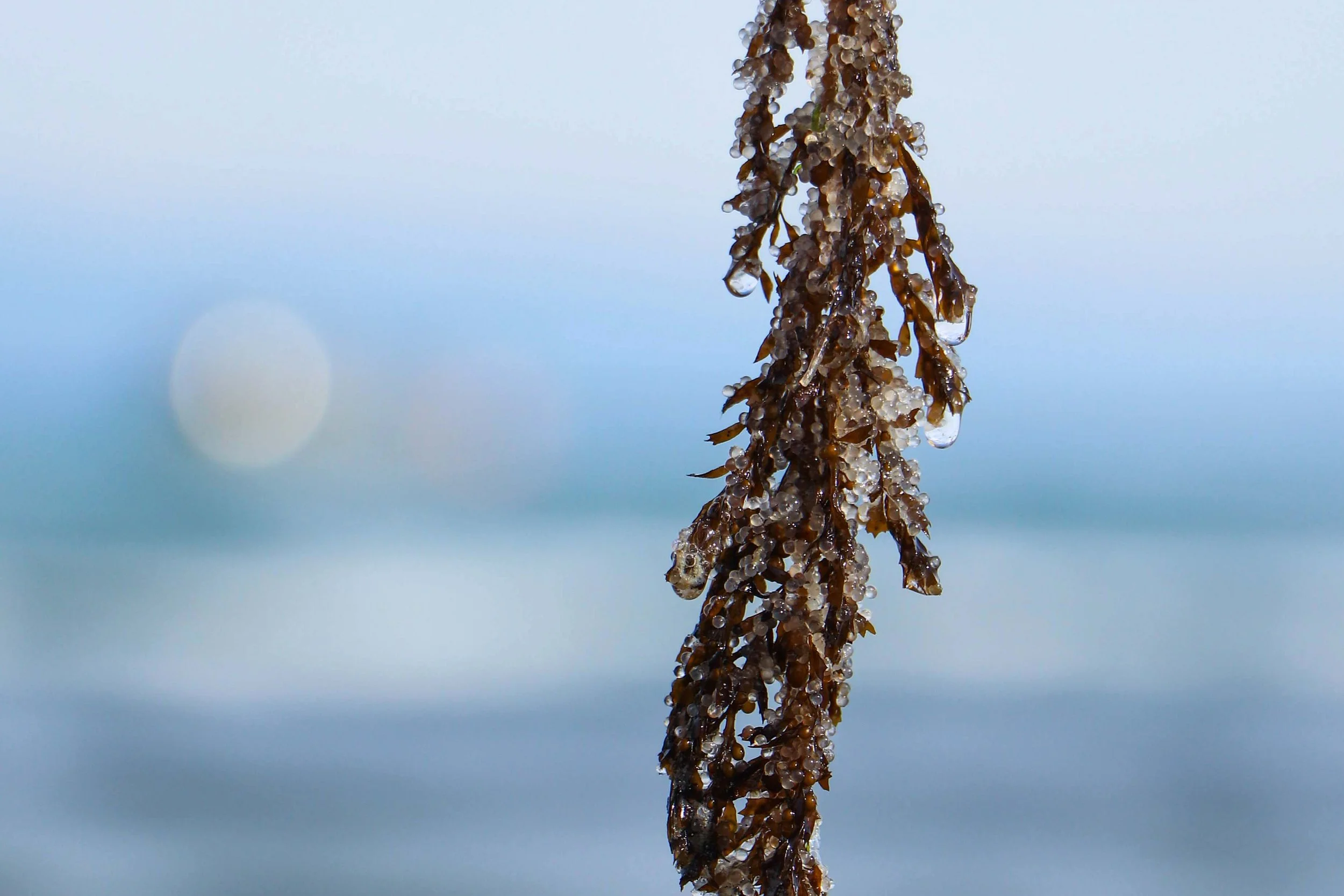
Pacific herring roe (Clupea pallasii) captured on a piece of seaweed at Qualicum beach, Vancouver Island during the annual herring spawn.
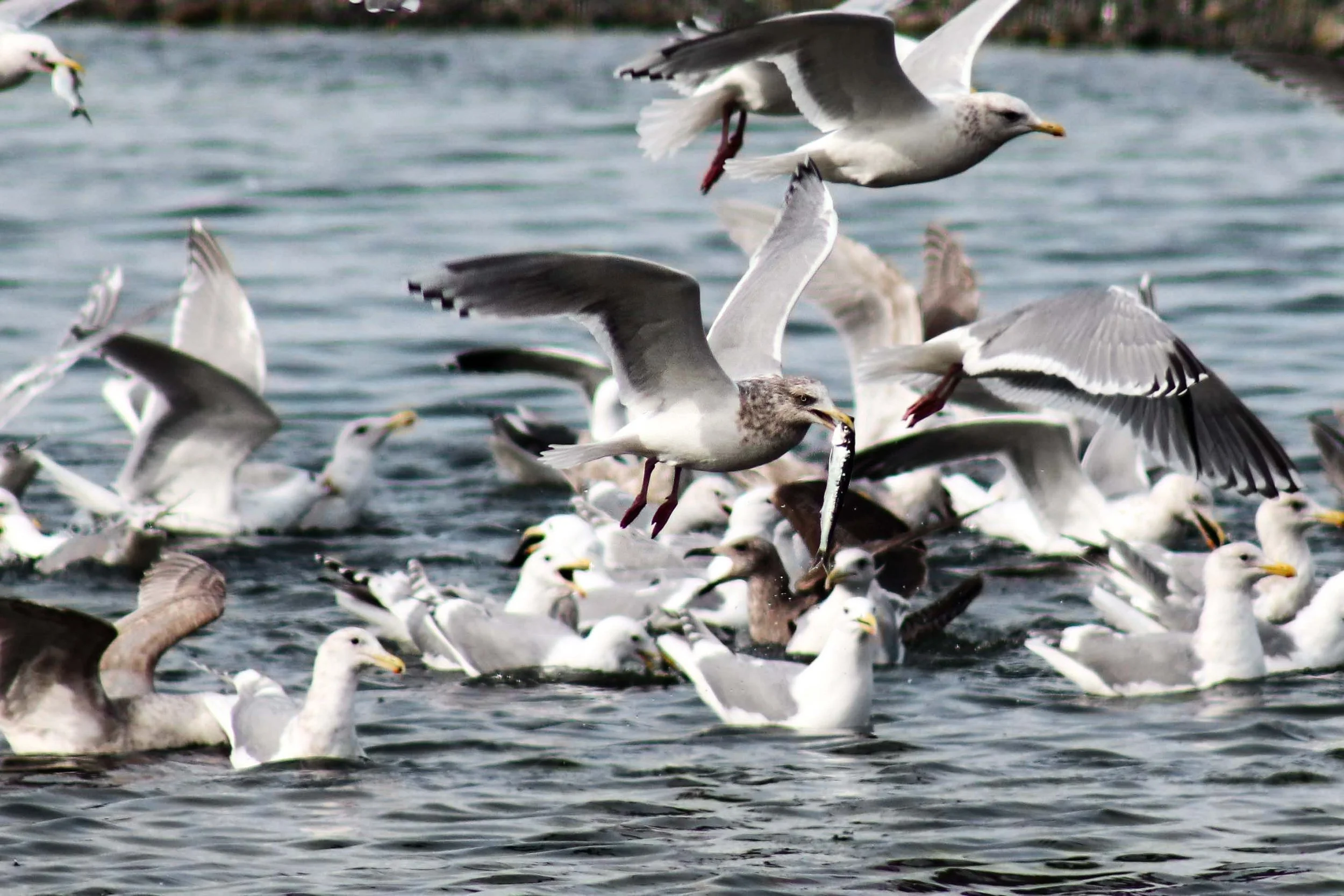
Gulls feast on Pacific herring during the annual herring spring spawn in Vancouver Island, Canada
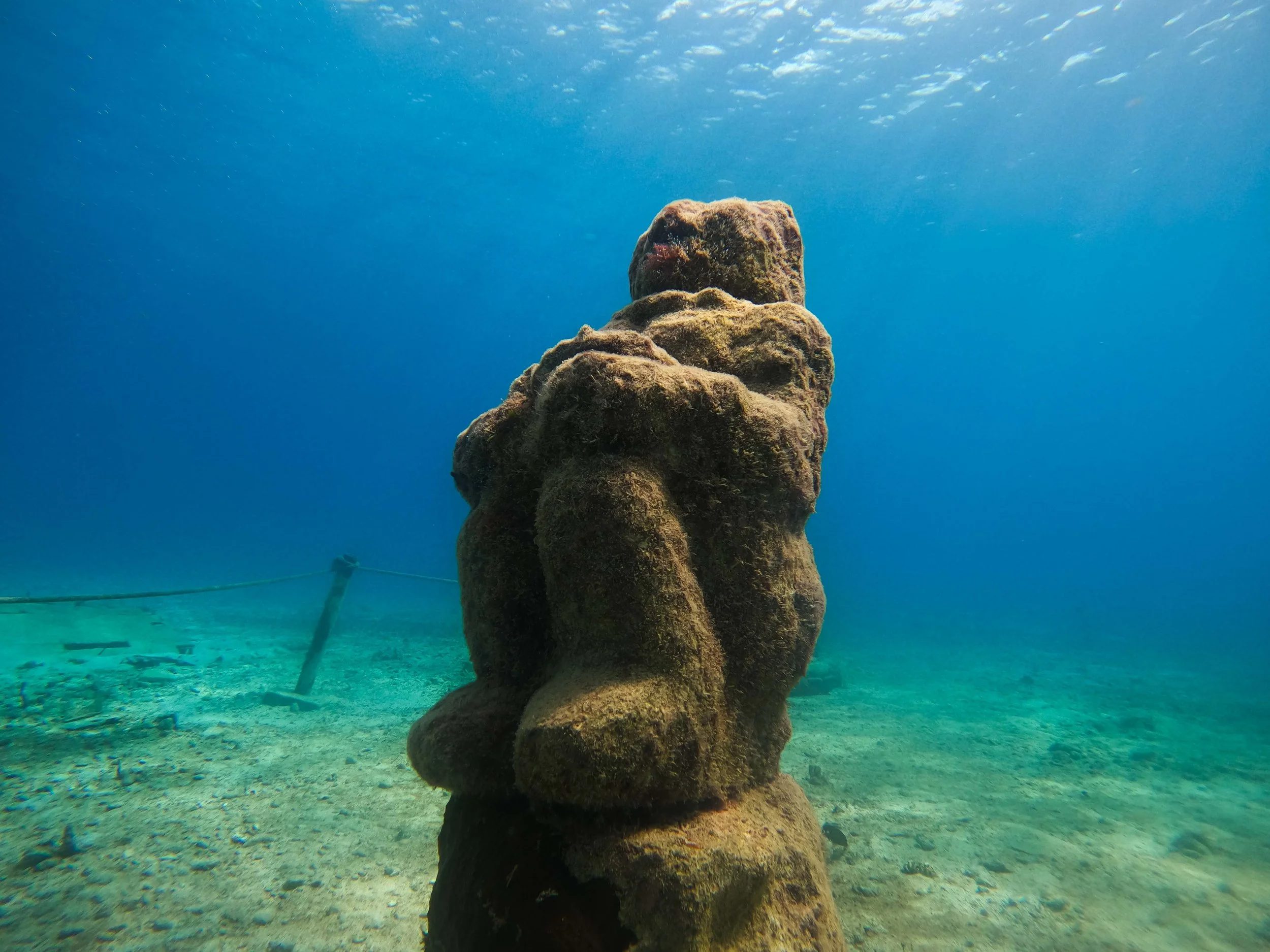
An underwater sculpture acts as the beginnings of an artificial reef in Cozumel, Mexico.
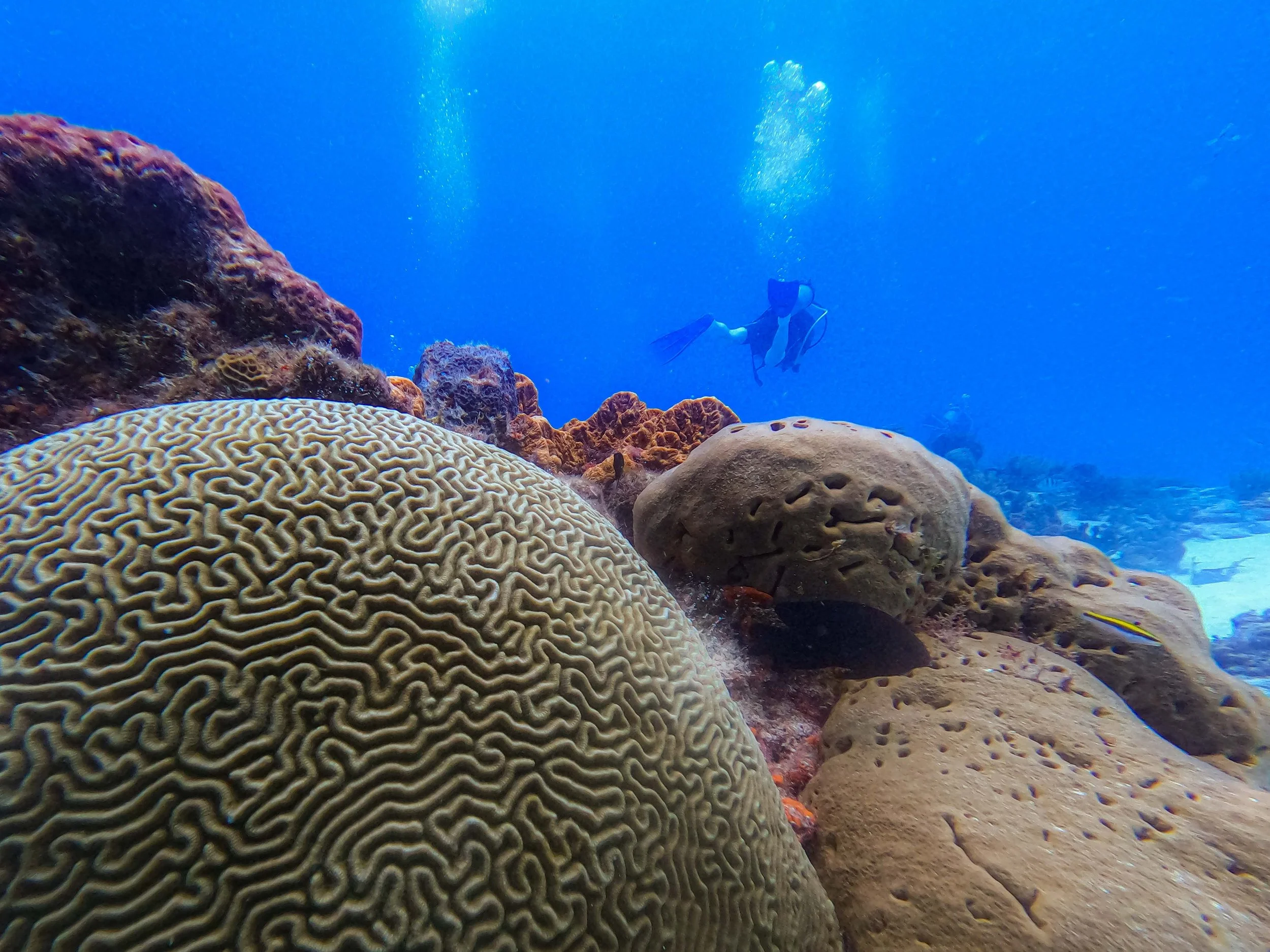
A brain coral photographed during a dive in Cozumel, Mexico where reefs are vulnerable to rising temperatures.
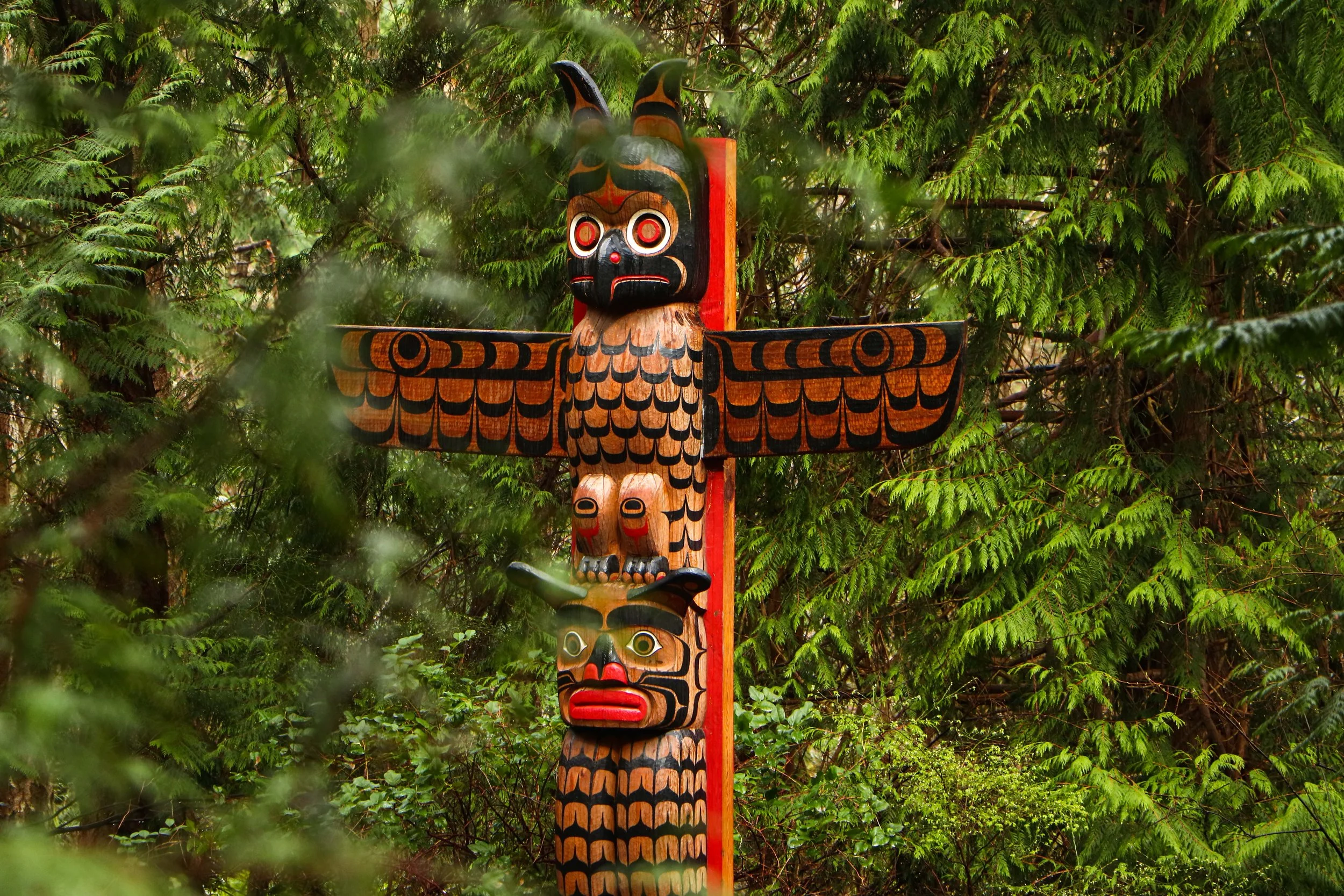
K'omoks First Nation Totem Pole—a historical landmark in Hornby Island, Canada.
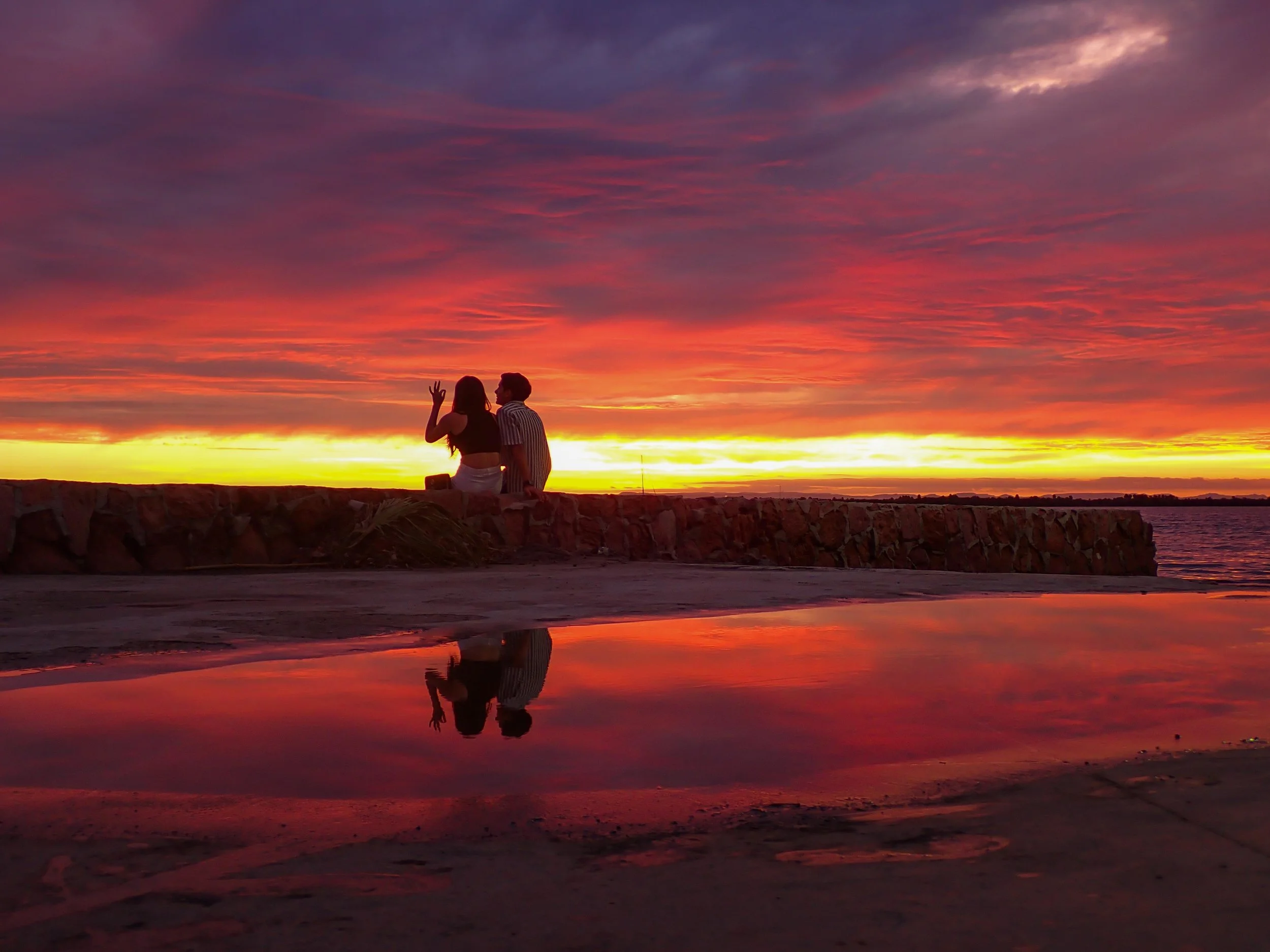
A couple enjoys a vibrant post-hurricane sunset in La Paz, Mexico.
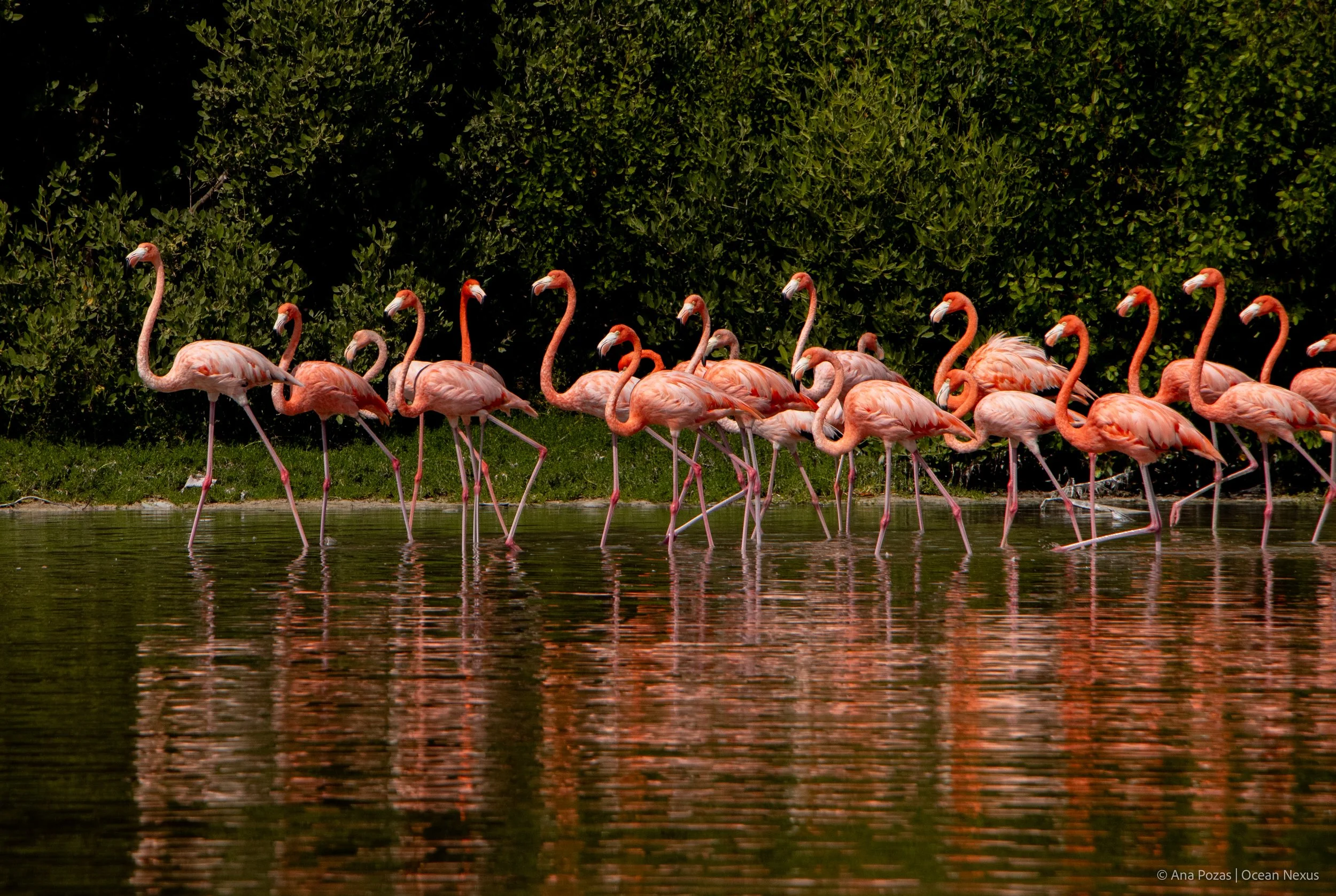
Pink flamingos (Phoenicopterus ruber) in Campeche, Mexico. A species that drives ecotourism in the region.
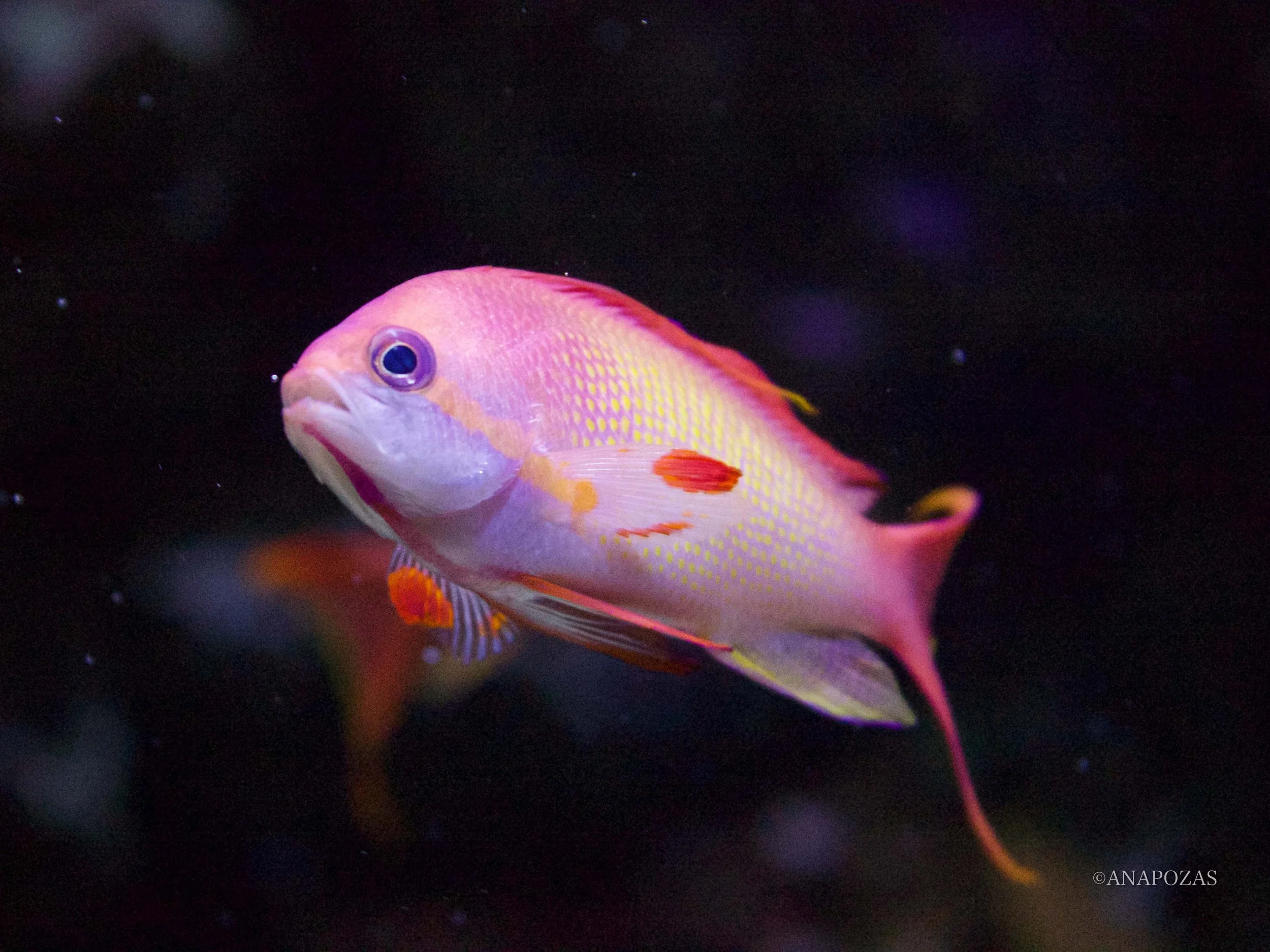

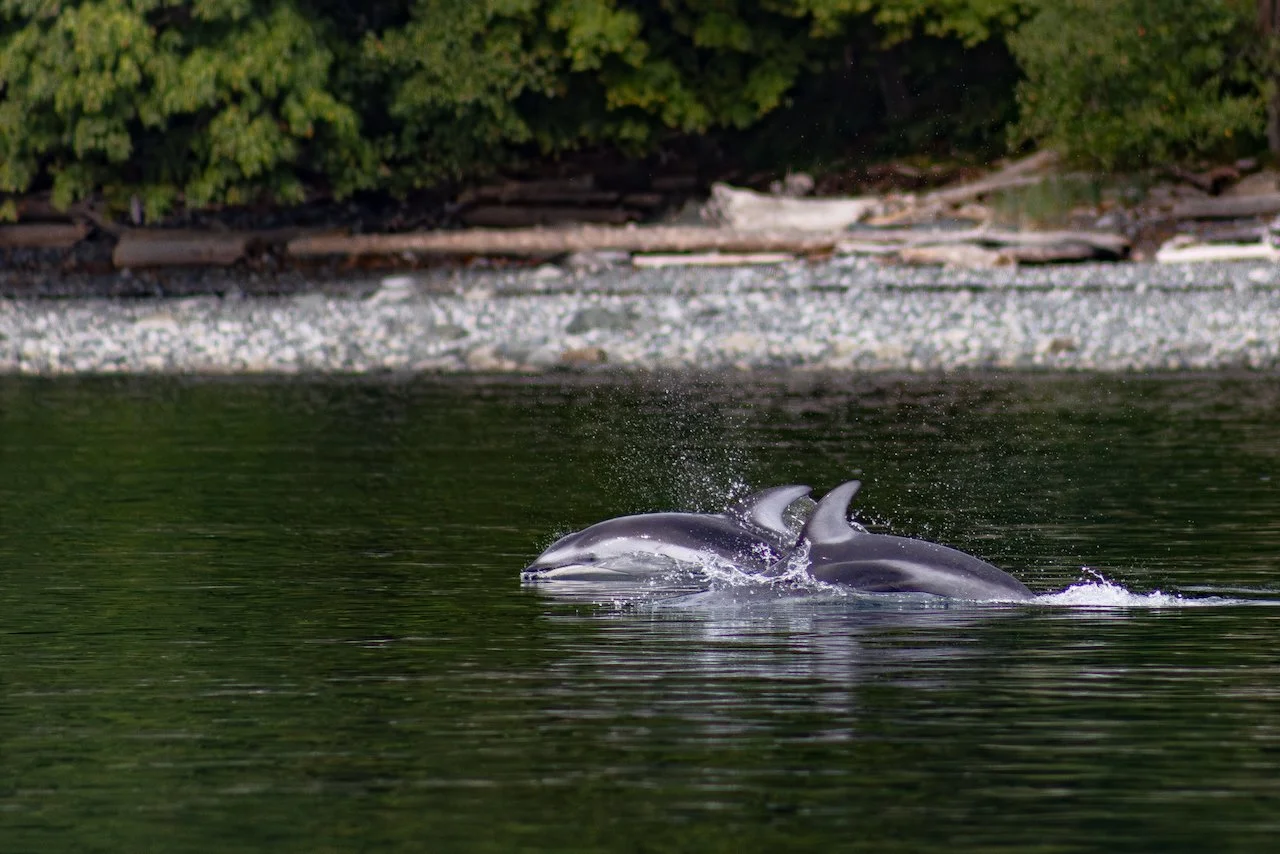

A small coral Hawkfish (Cirrhitichthys oxycephalus) emerges from between the coral in a reef in La Paz, Mexico.

An egg yolk jellyfish (Phacellophora camtschatica) drifts across the ocean surface in Tuwanek, Canada.
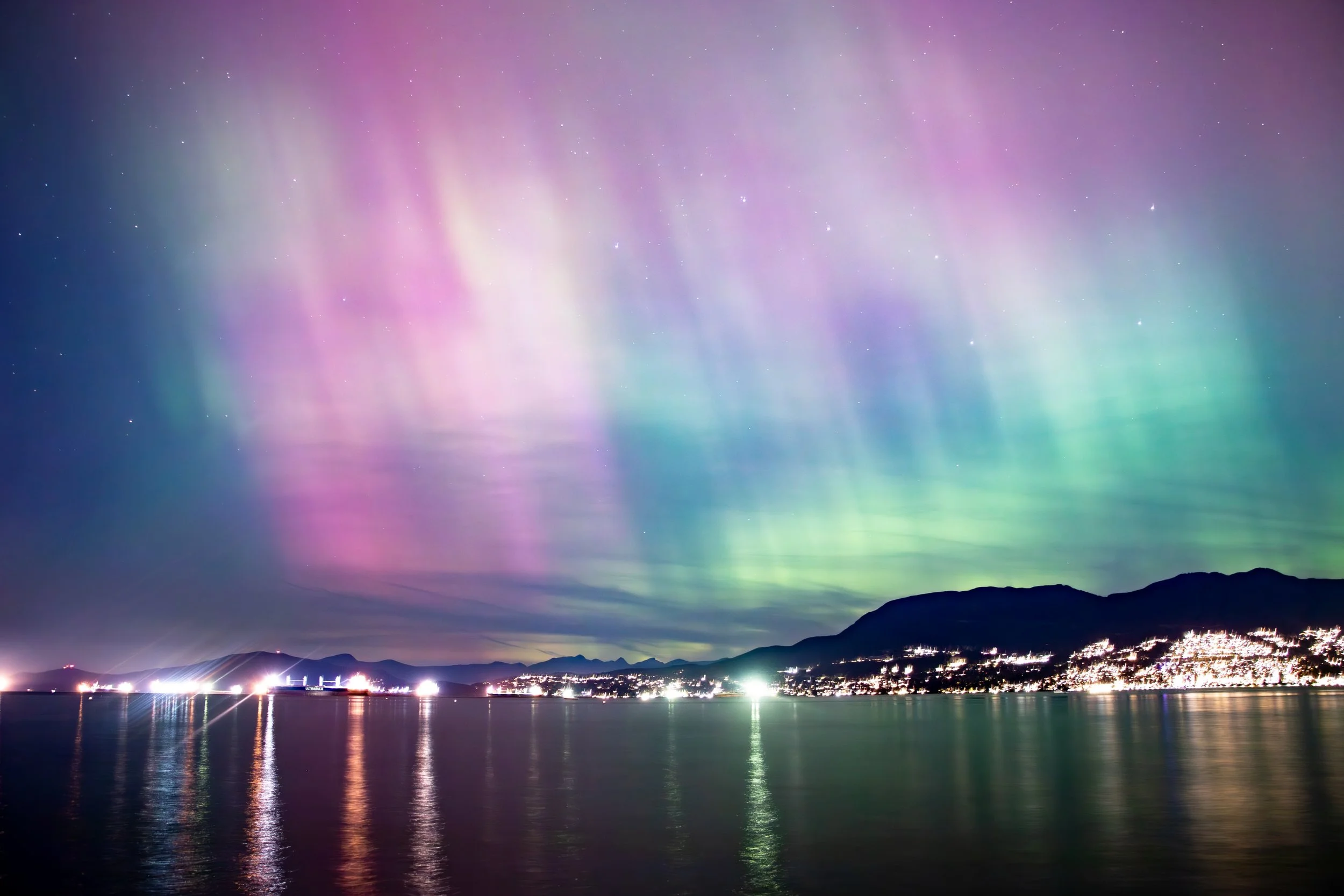
The aurora borealis reaches Kitsilano beach, Vancouver. Can you see the big dipper?
Awards
Special Recognition at the OceanPrediction DCC Photo Contest “Ocean’s Beauty” category, 2025
Third Prize at Ocean Exposures Photo Contest “Below the Surface” category, 2024
Photo Contest winner “Botany and Zoology Wellness Initiative”, University of British Columbia, 2021
Photo selected for the Convention on Biological Diversity “Celebrating 25 Years of Biological Diversity” book, 2018

Publications
Pozas Franco, A. L. Visual storytelling for inclusive and equitable research communication. A Field Guide to Ocean Equity and Justice: Politics, Practices, and Possibilities. University of Georgia Press. (In press)
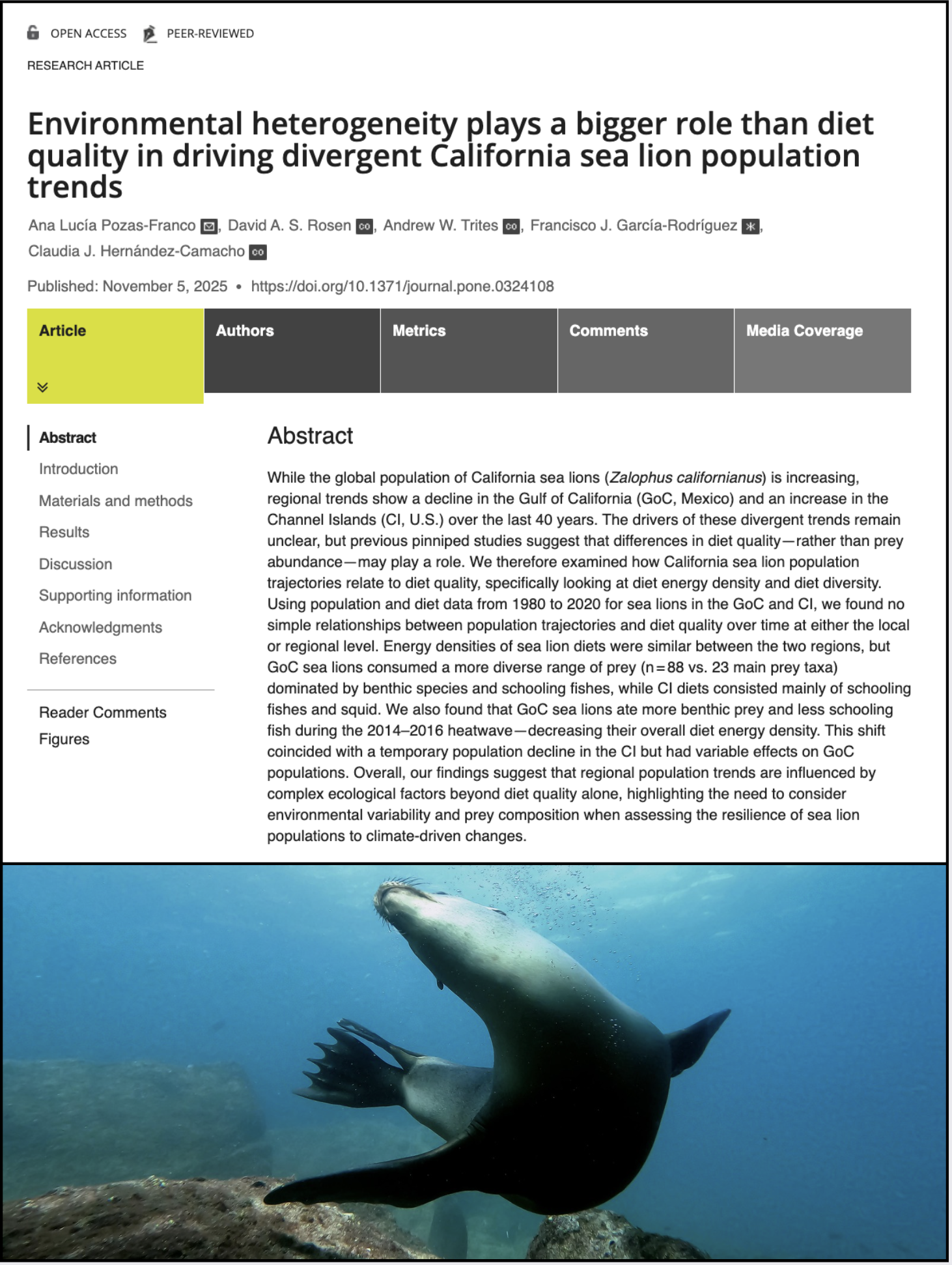
Pozas-Franco, A. L., Rosen, D. A., Trites, A. W., García-Rodríguez, F. J., & Hernández-Camacho, C. J. (2025). Environmental heterogeneity plays a bigger role than diet quality in driving divergent California sea lion population trends. PLoS One, 20(11), e0324108.
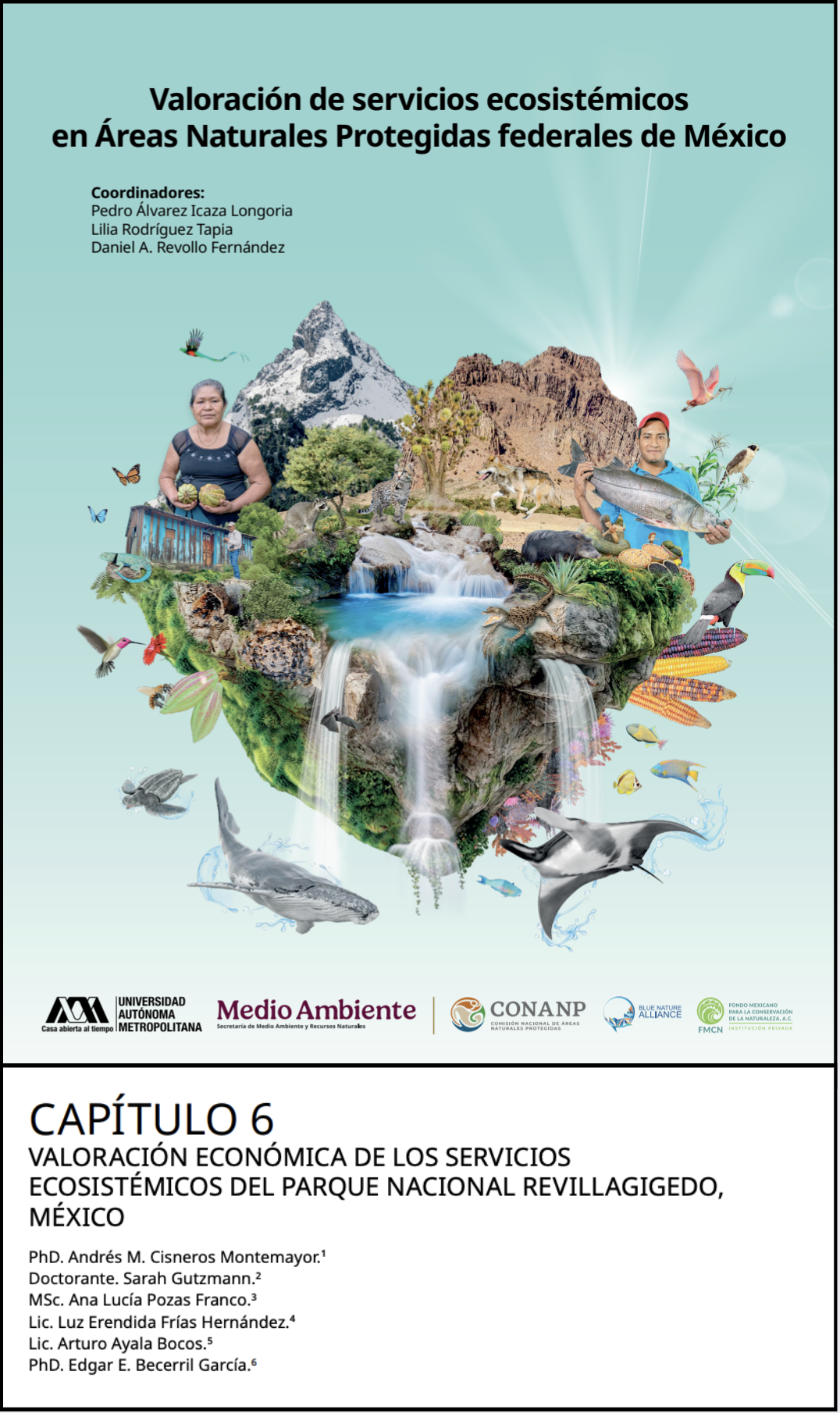
Cisneros Montemayor, A. M., Gutzmann, S., Pozas Franco, A. L., Frías Hernández, L. E., Ayala Bocos, A., & Becerril García, E. E. (2025). Valoración económica de los servicios ecosistémicos del Parque Nacional Revillagigedo, México. In Diagnóstico de la acuacultura en México. Universidad Autónoma Metropolitana.
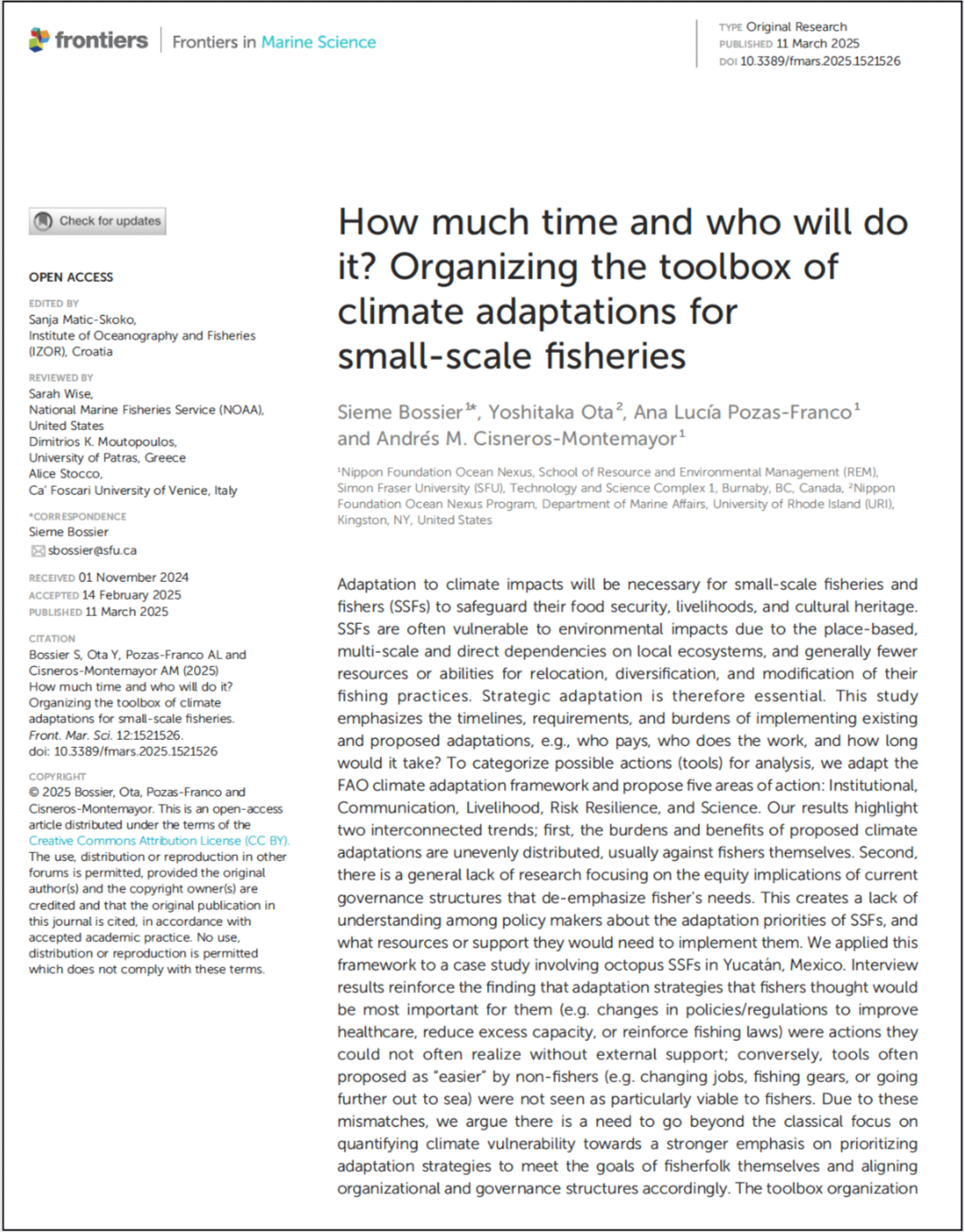
Bossier, S., Ota, Y., Pozas-Franco, A. L., & Cisneros-Montemayor, A. M. (2025). How much time and who will do it? Organizing the toolbox of climate adaptations for small-scale fisheries. Frontiers in Marine Science, 12, 1521526.
Montelongo Alfaro, I., Vázquez-Vera, L., Garza de Yta, A., Pozas Franco, A. L., Torres Origel, J. F., & Walther Mendoza, M. (2022). Situación de la acuacultura en México. In L. Vázquez-Vera & P. Chávez-Carreño (Eds.), Diagnóstico de la acuacultura en México. Fondo Mexicano para la Conservación de la Naturaleza, A.C.